Empty Japan
Musings from the Bay of Toyama

Another whiskey, another night enjoying the smooth sounds of Kanazawa’s Jazz Spot Bokunen. The jazz kissa is busy tonight, with locals flowing in one after another: an aptly dressed man wearing a white fedora; two younger men in the day’s formal business attire—the quintessential white button-up shirts tucked into black pants, briefcases in hand, salarymen of course; and an elegant woman in a black dress, eyeing her half-empty gin and soda as if it were going to magically disappear. The sounds of jazz are alive and well in this dimly lit corner of northern central Japan. A beautiful thing.
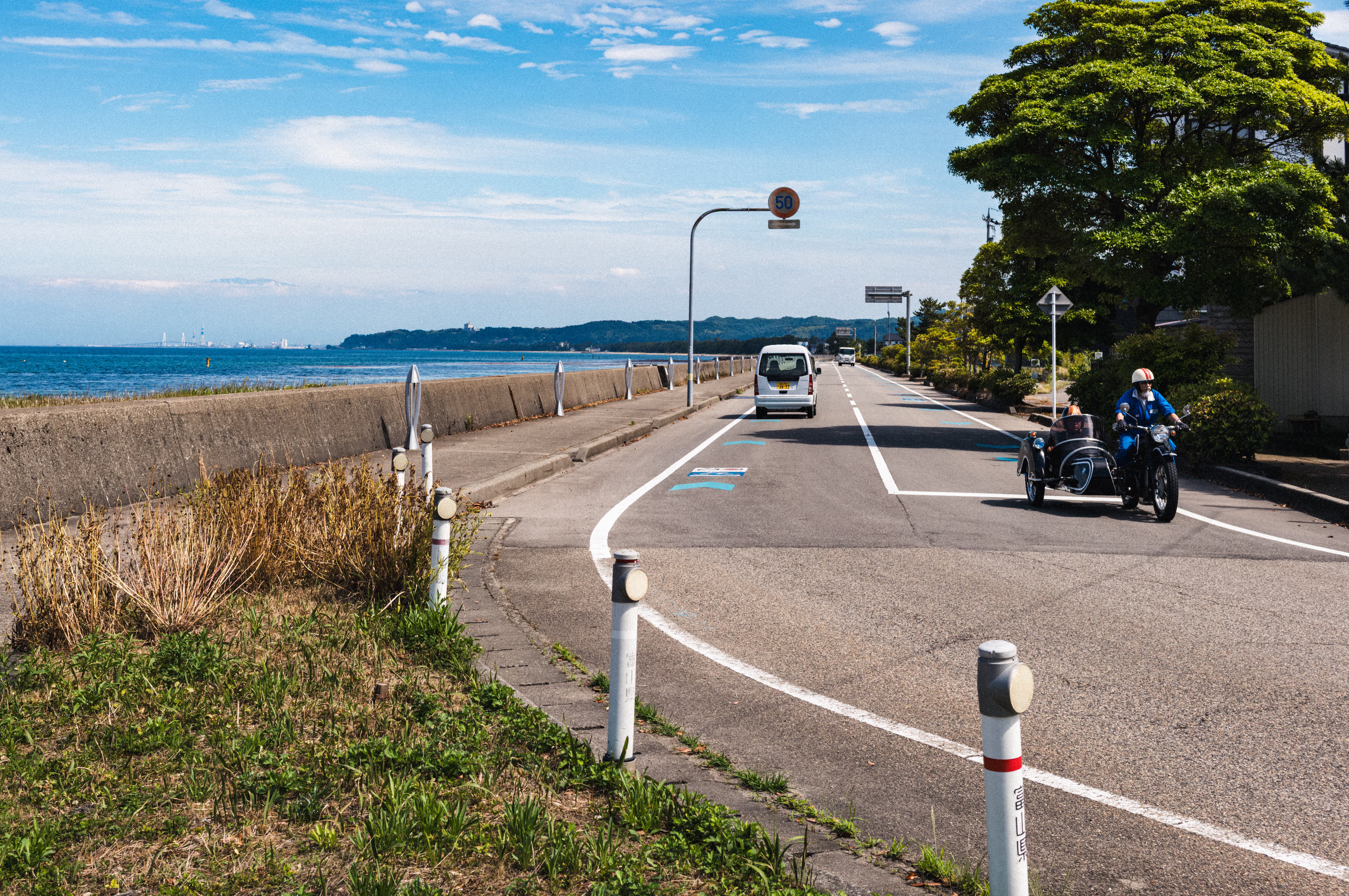
I drove up the coast earlier today and once again witnessed that vast, empty, visceral, shape-shifting grandeur that is the Pacific Ocean. I’ve told myself I have to see the open ocean at least once a year, having spent the majority of my waking days landlocked in the prairies of Western Canada. It keeps me grounded and more aware of the interconnected fabric that weaves this layered world together, I suppose. Ever-changing and transient, the ocean is a living, breathing landscape that defies all imagination when you really think about it. The stuff of dreams. A call to kinship and to being with the ancient, fleeting nature of this world—something we so often forget and take for granted amid the furore of the daily race. The ocean rises and falls, breathes and crests, irrespective of us. A thought as sobering as the salty bite of the sea-laden air itself.
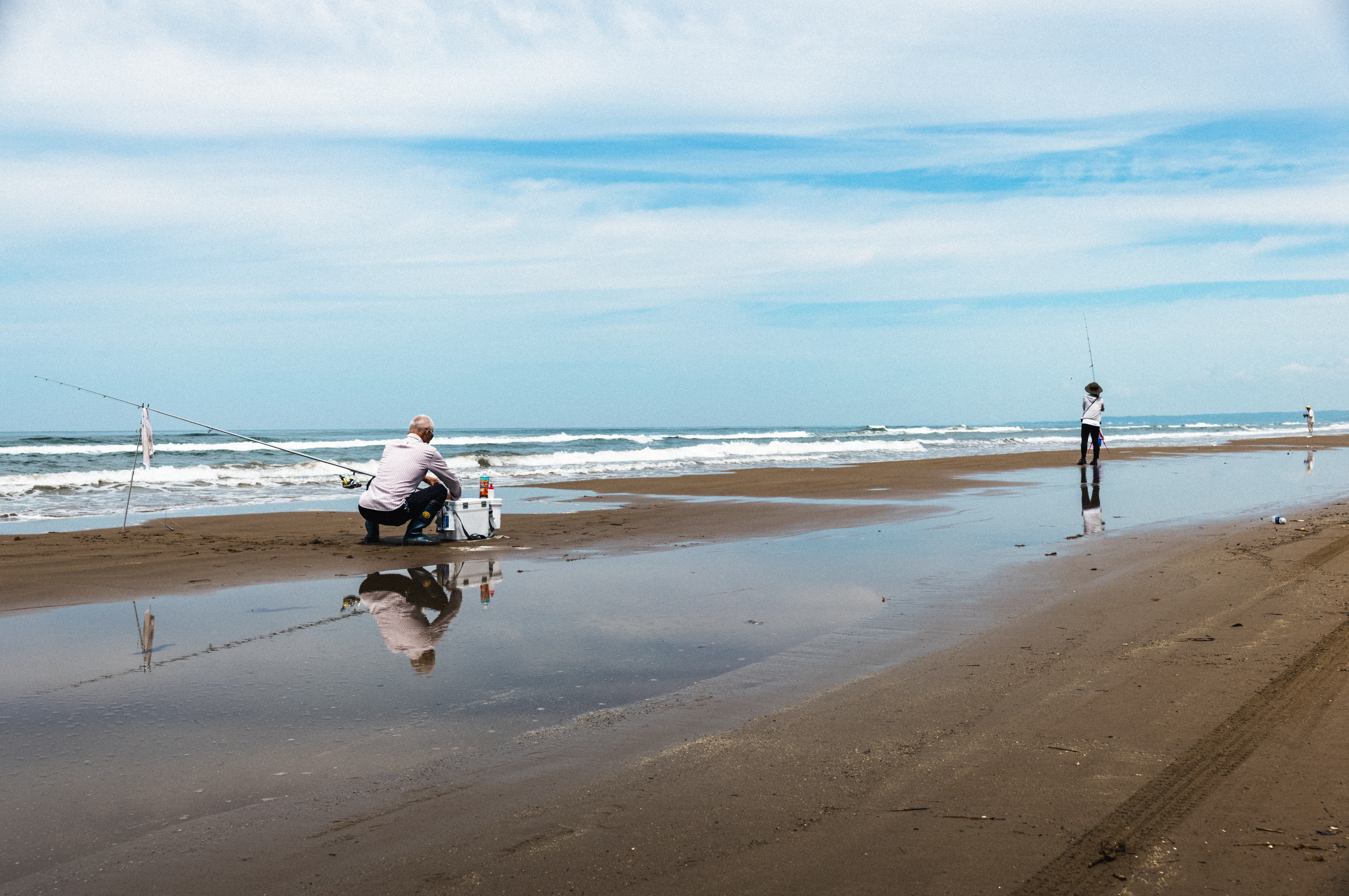
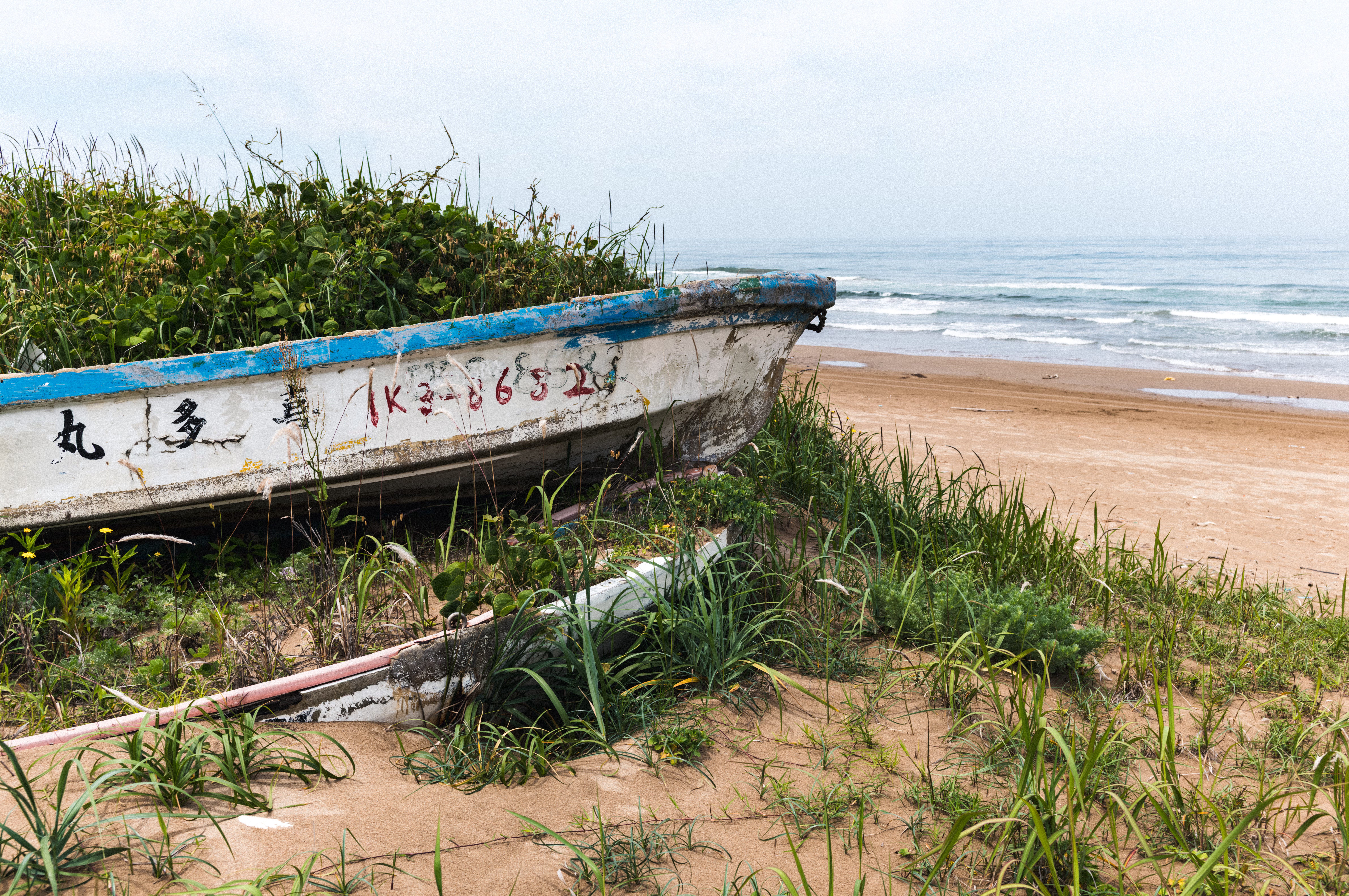

The day’s coastal adventure began in Chirihama Beach, Ishikawa Prefecture—special not only for its sprawling, clean stretch of sandy beach that runs for almost ten kilometres, but also famous for being Japan’s only public road where vehicles can drive directly on the well-compacted shore. The Chirihama Nagisa Driveway is flanked on one side by low-lying, windswept coastal brush skirting the municipal borders of Hakui city, and on the other by the deep, churning blues of the Sea of Japan. The ports of North Korea’s Chongjin and Russia’s Vladivostok sit almost directly abreast across the water. Along the surf, groups of fishermen and women rig various types of reinforced, elongated fishing apparatus, eagerly anticipating the next great catch—the sacred act of waiting, of not knowing when the moment will strike, a primordial race between man and nature.
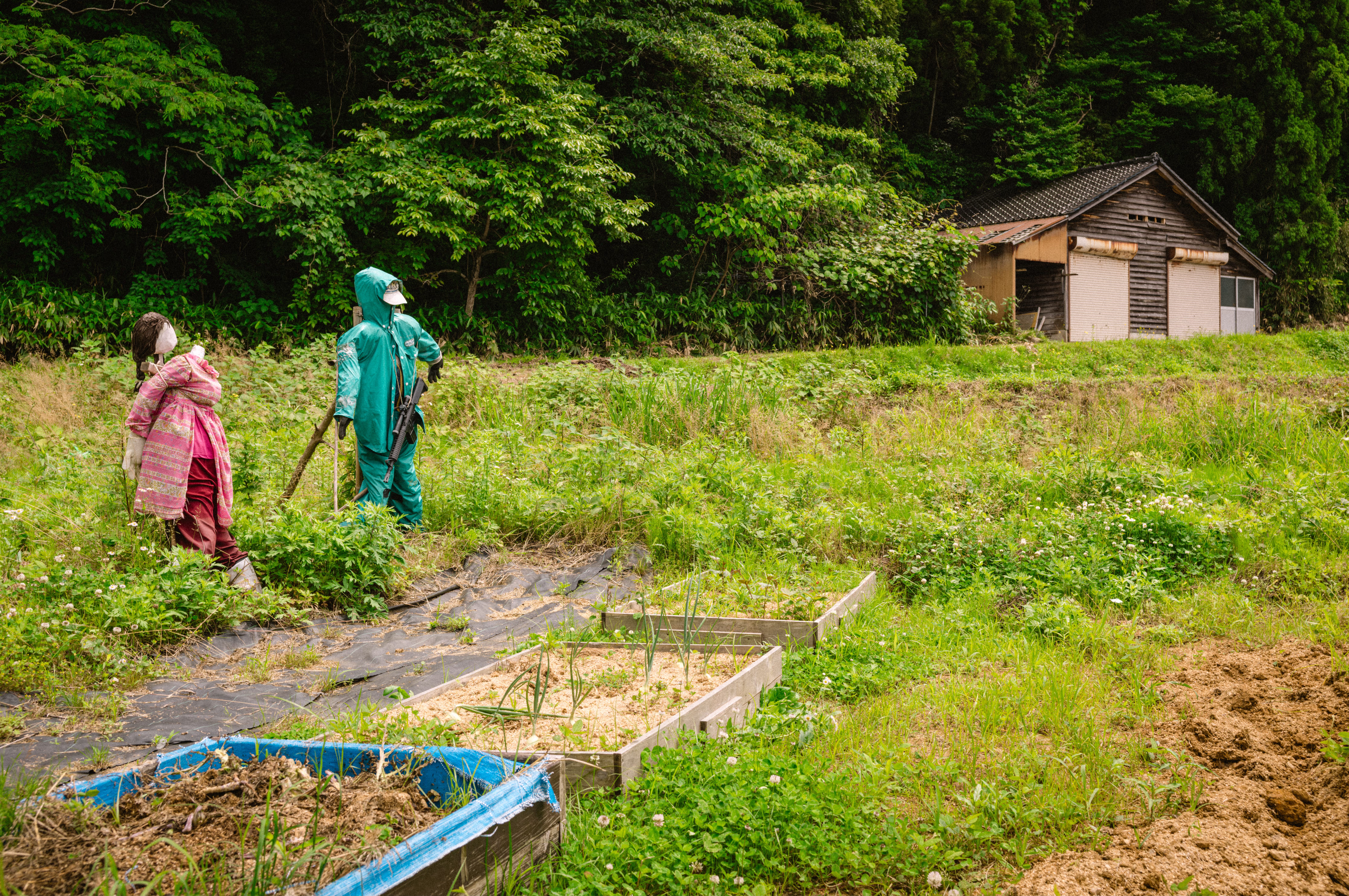

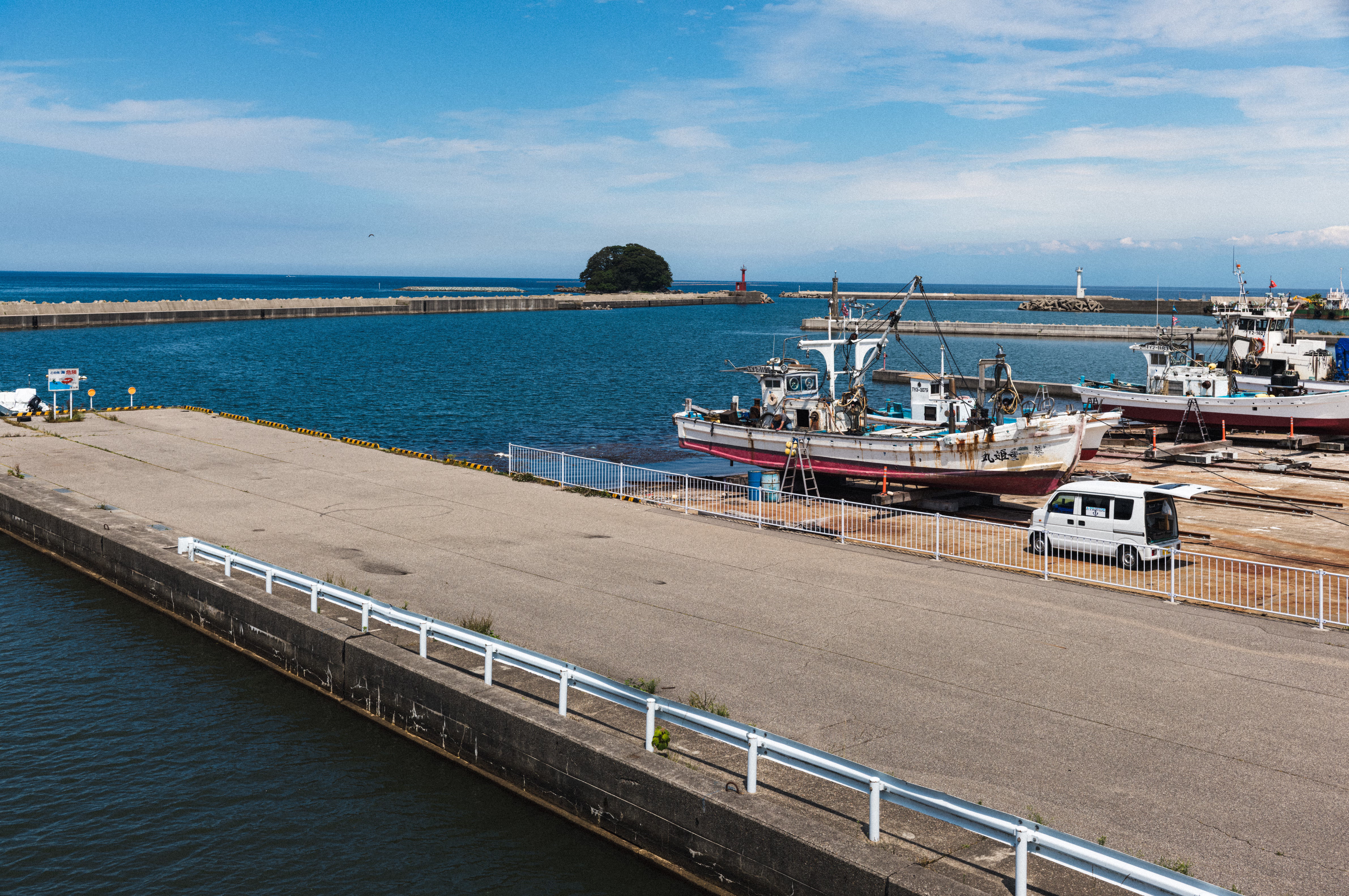
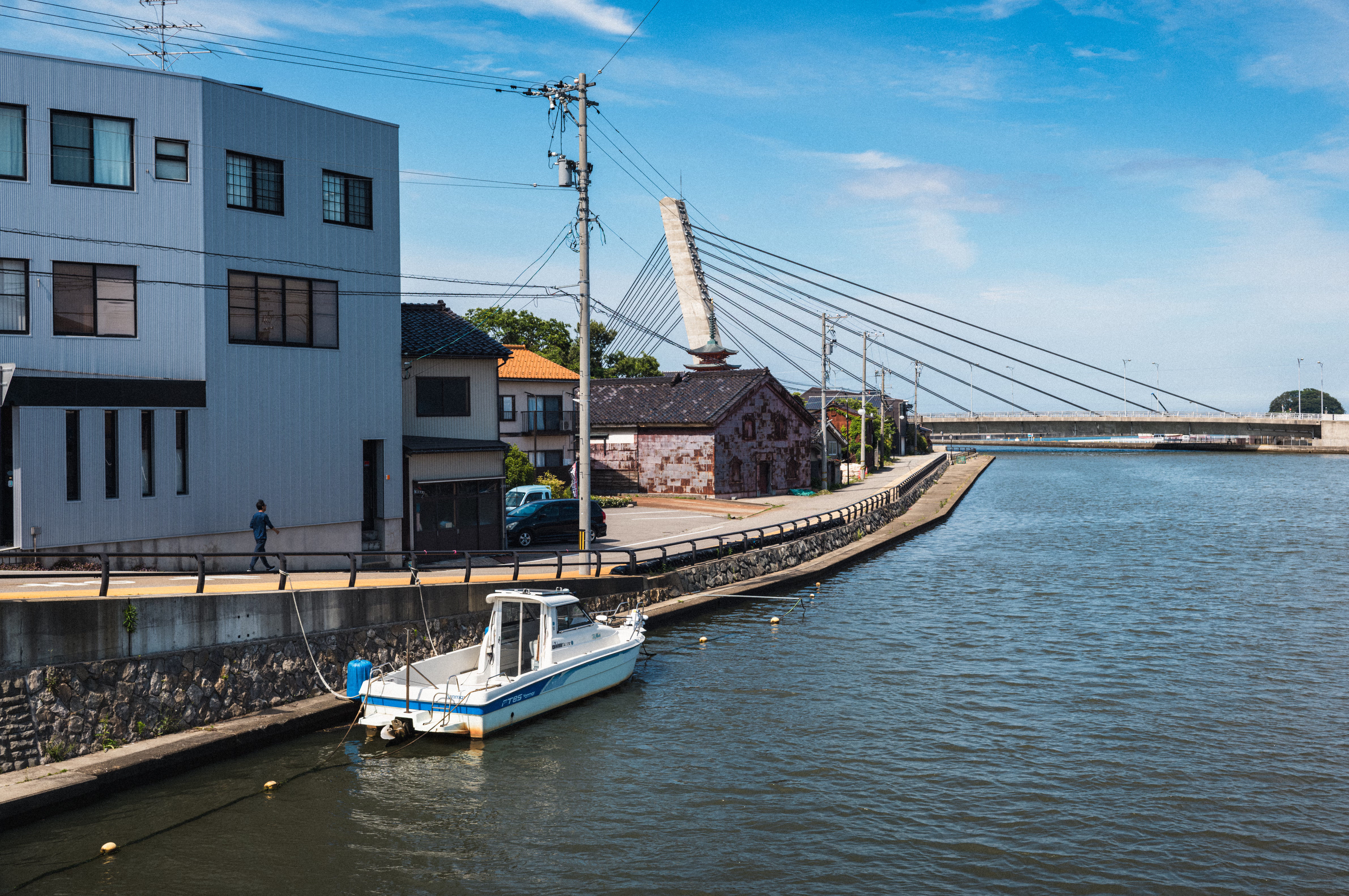
Onwards I drove into the green, terraced hills and flooded rice paddies of Toyama Prefecture, where great herons, pelicans, hawks, and various other fowl swarm and dive into the paddies in search of insects and the occasional tadpole. When it comes to the people, the elderly outnumber everyone else, predominating the rural farms and villages, while younger generations are nowhere to be found. Time stands still; the old and ancient keep toiling away. Hard work and tending the land dates back generations, and will continue for ages to come. The shaded cedar groves and hills give way after some time, leading down into a wide, bright, sun-bleached inlet—the Bay of Toyama—with Nagano’s snow-capped Northern Alps breaching the ocean mist on the horizon.
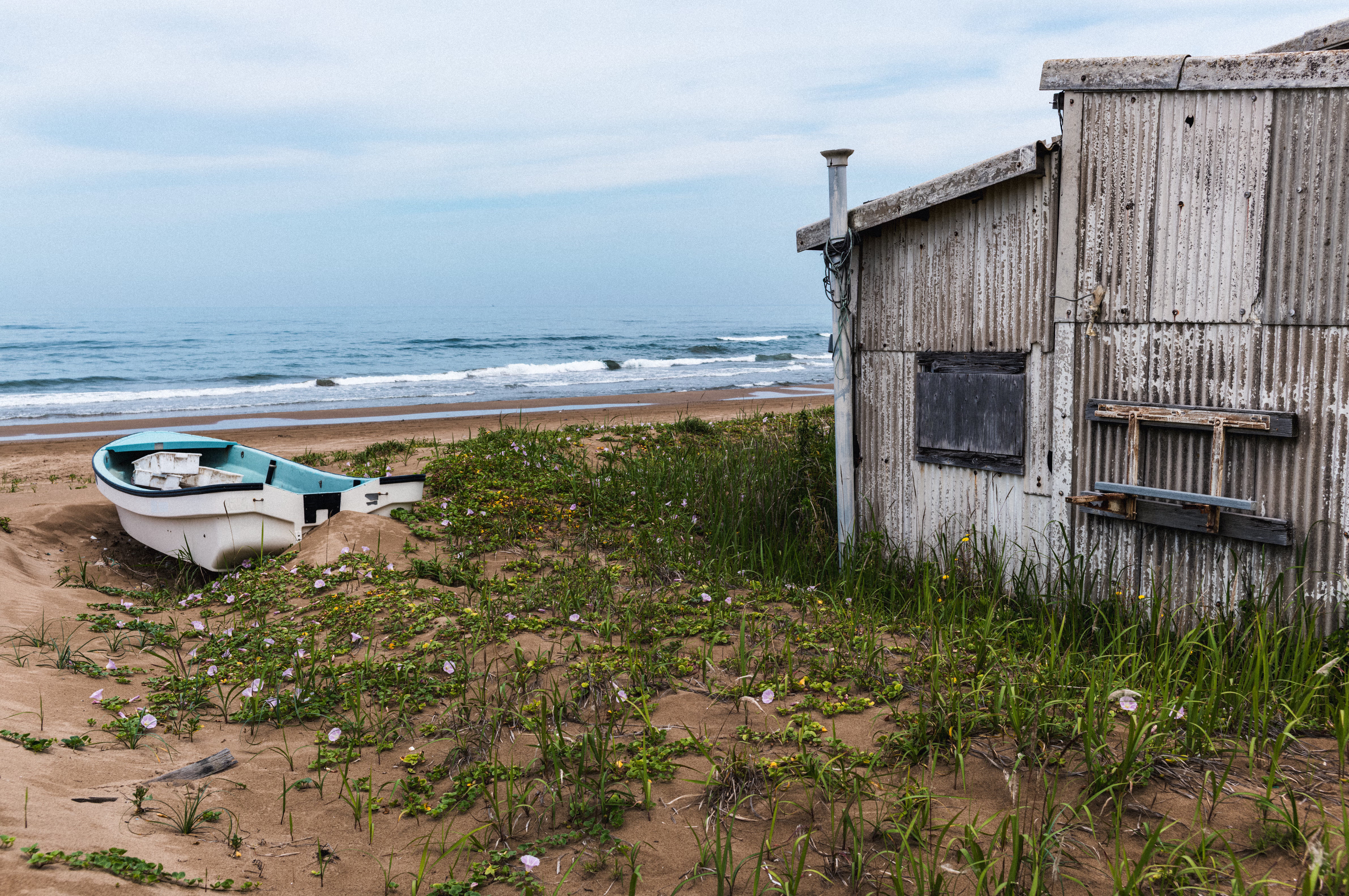
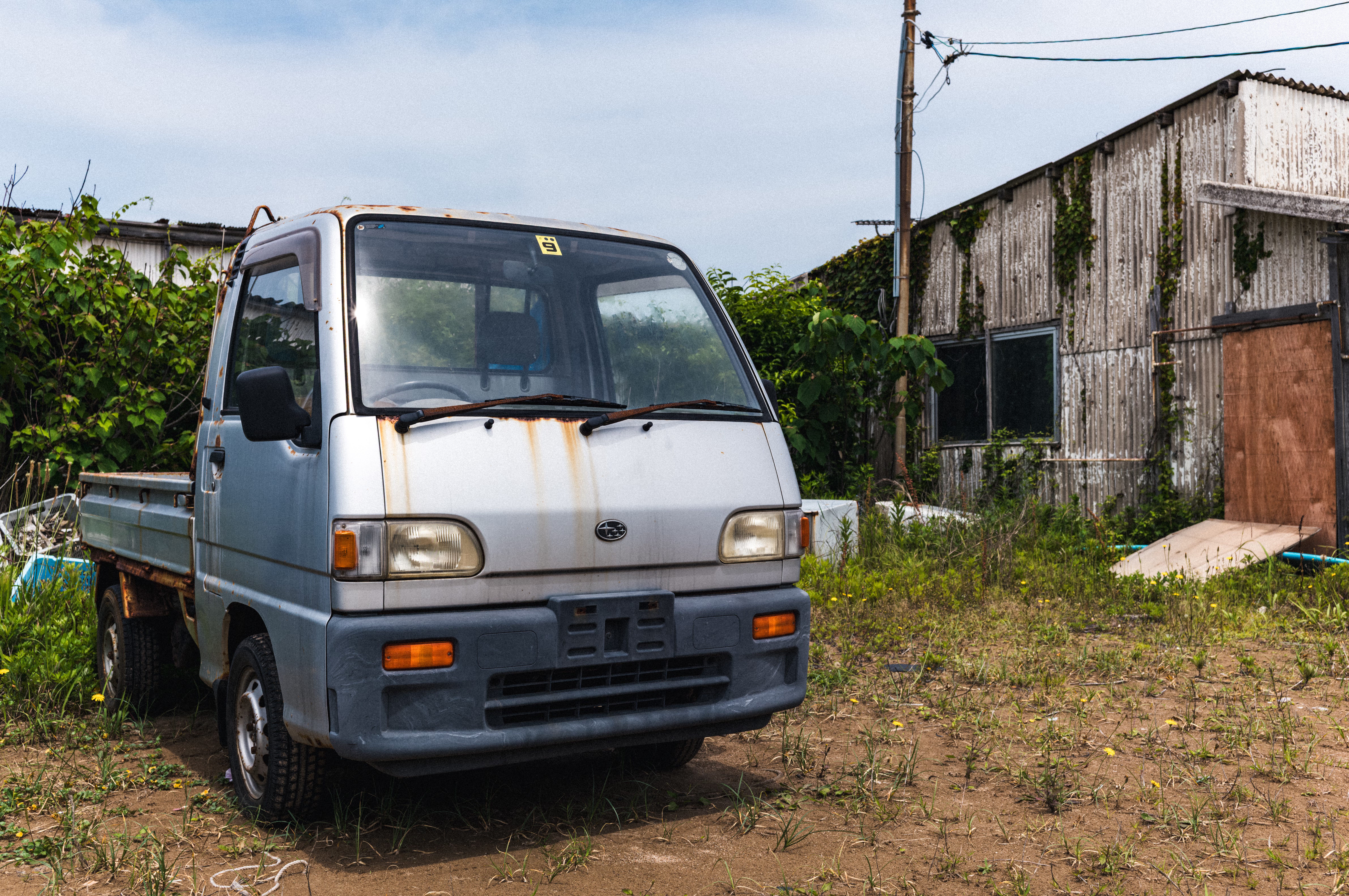
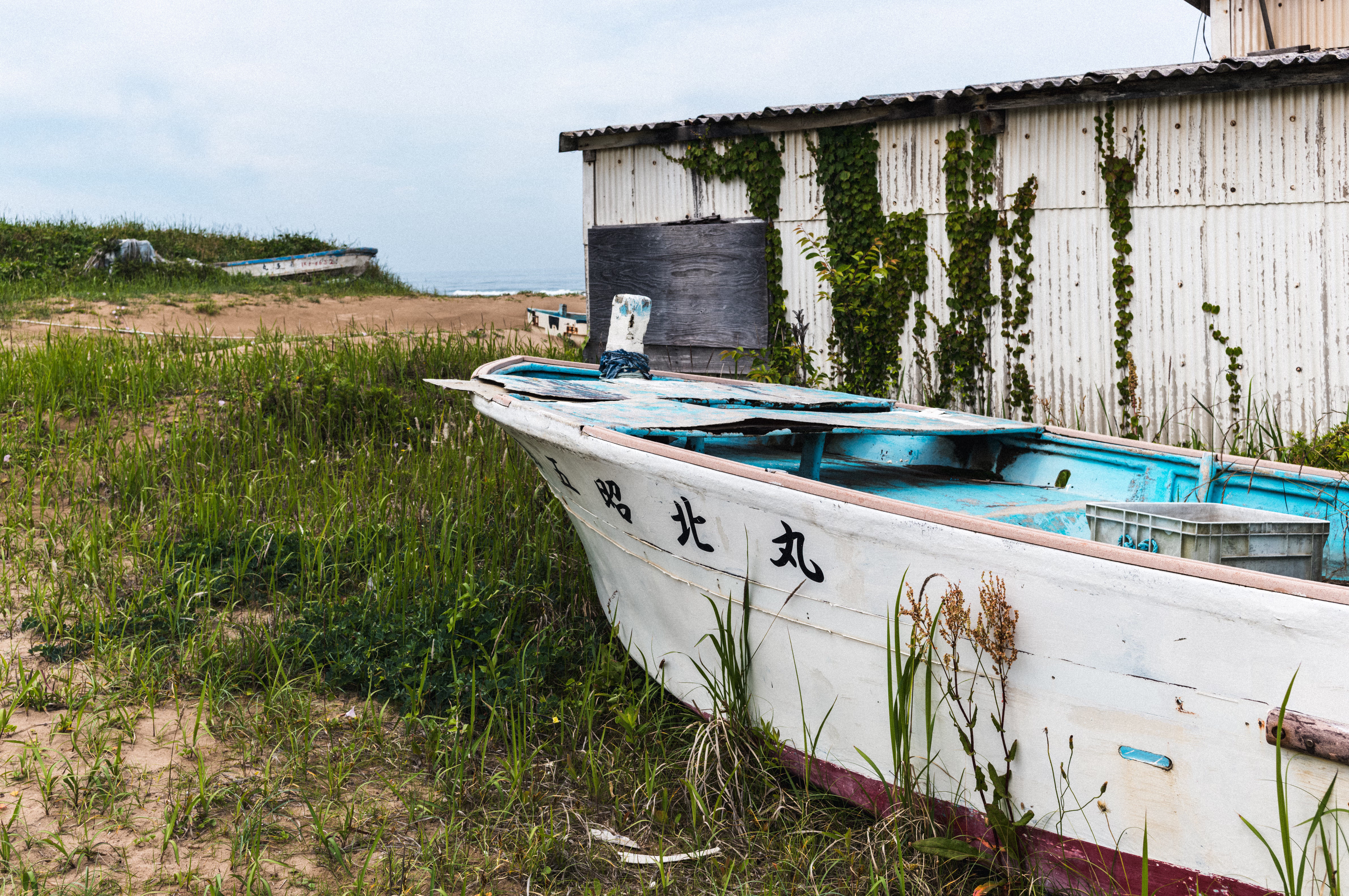
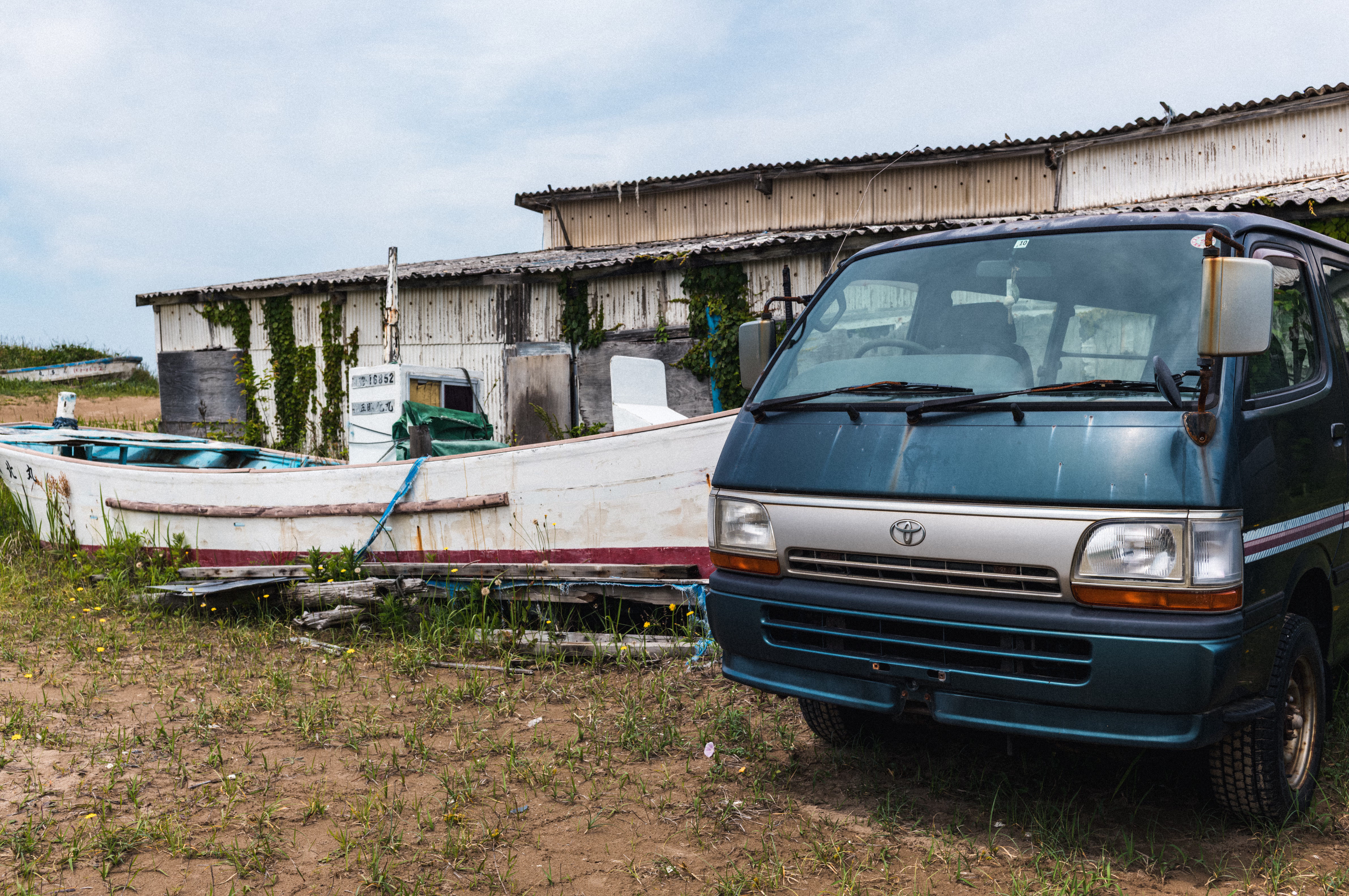
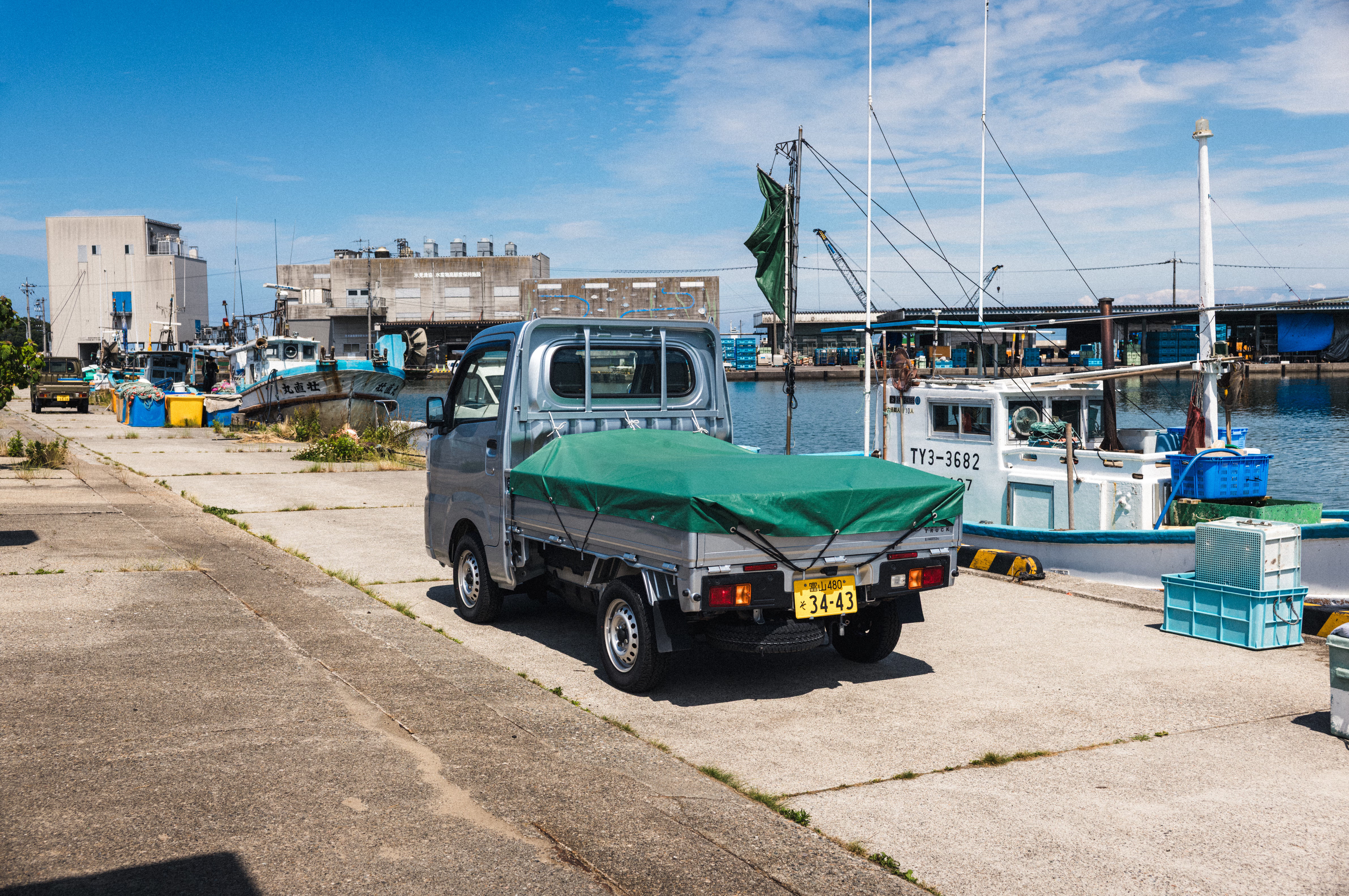

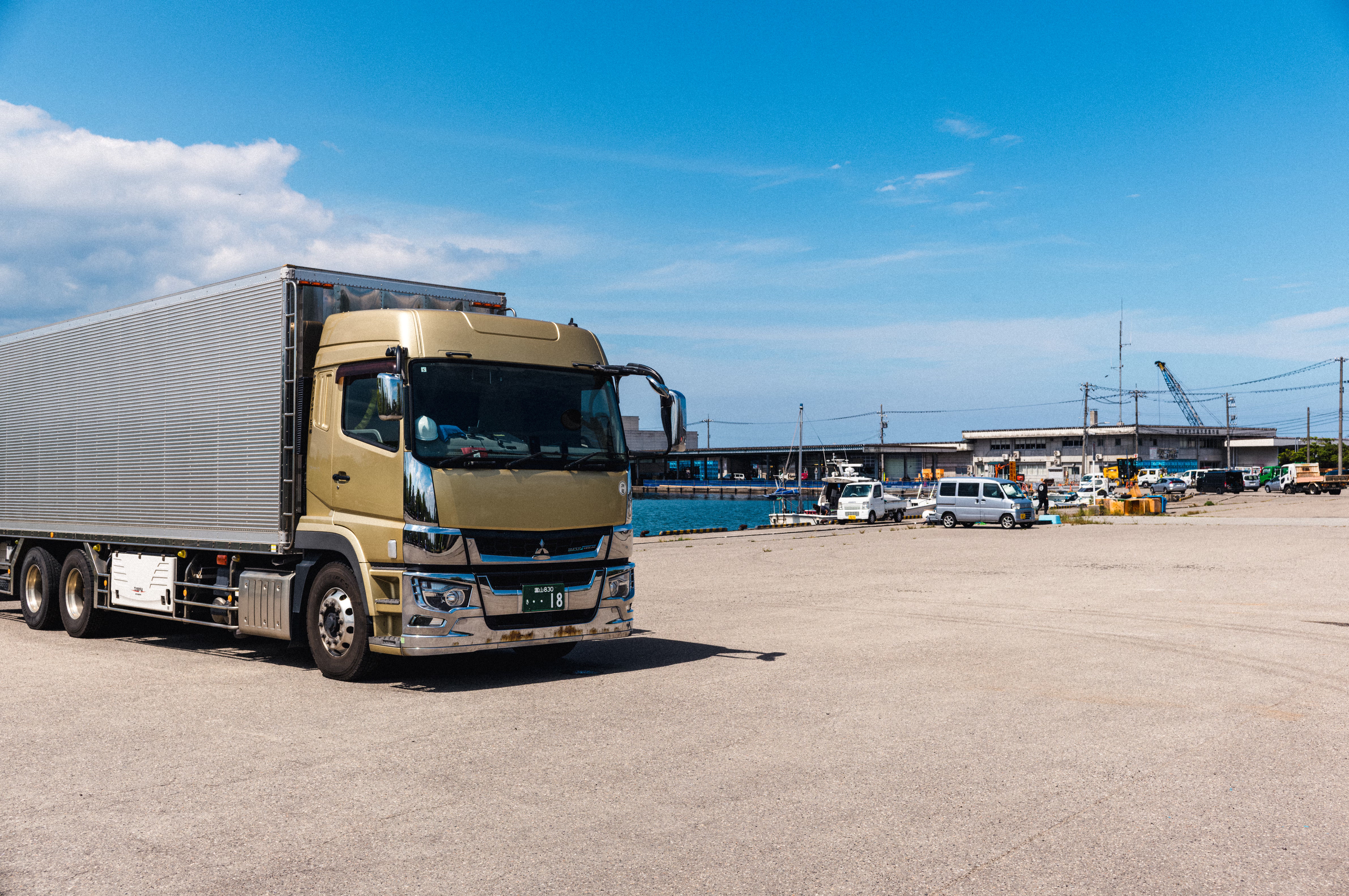
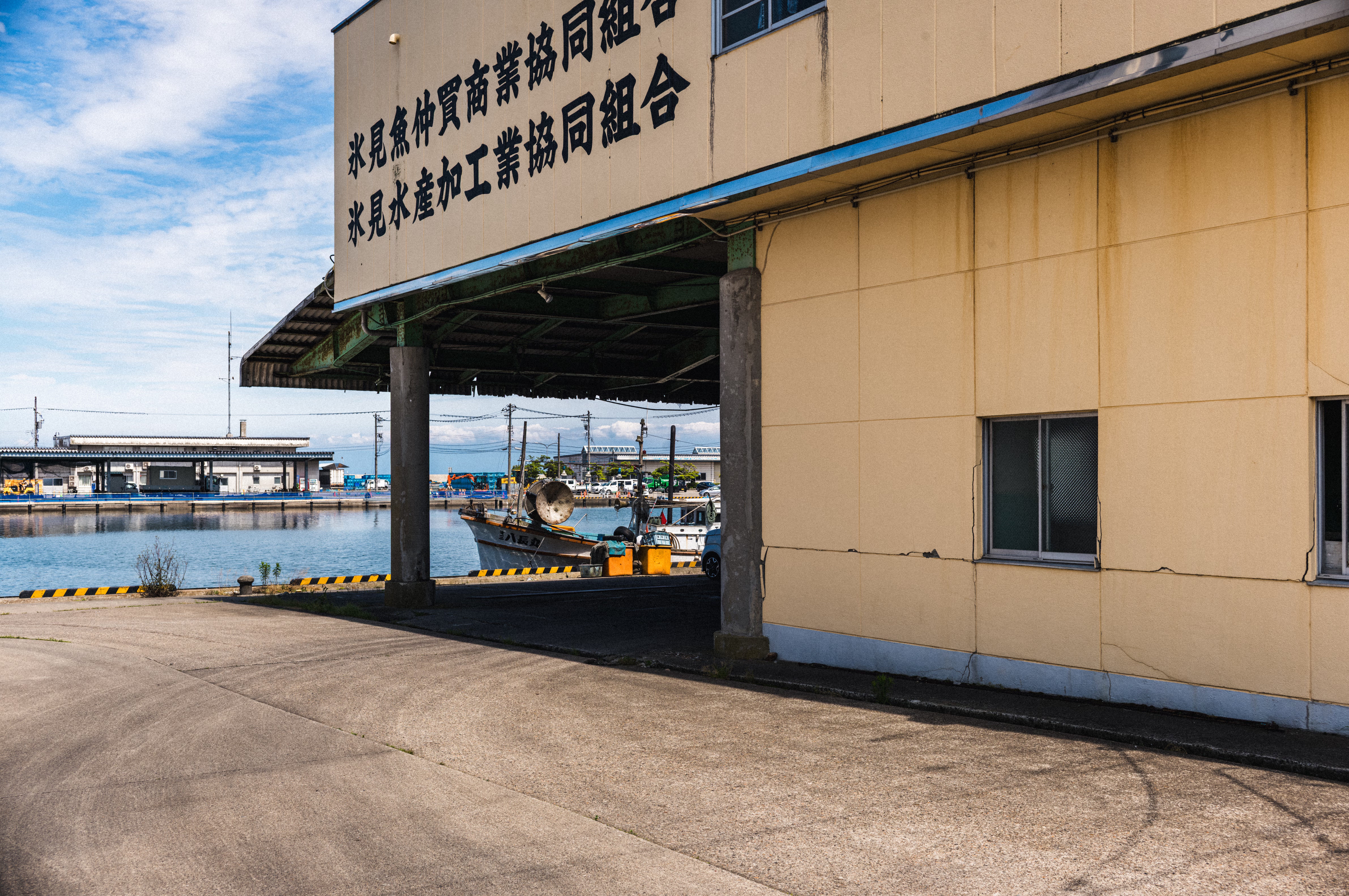
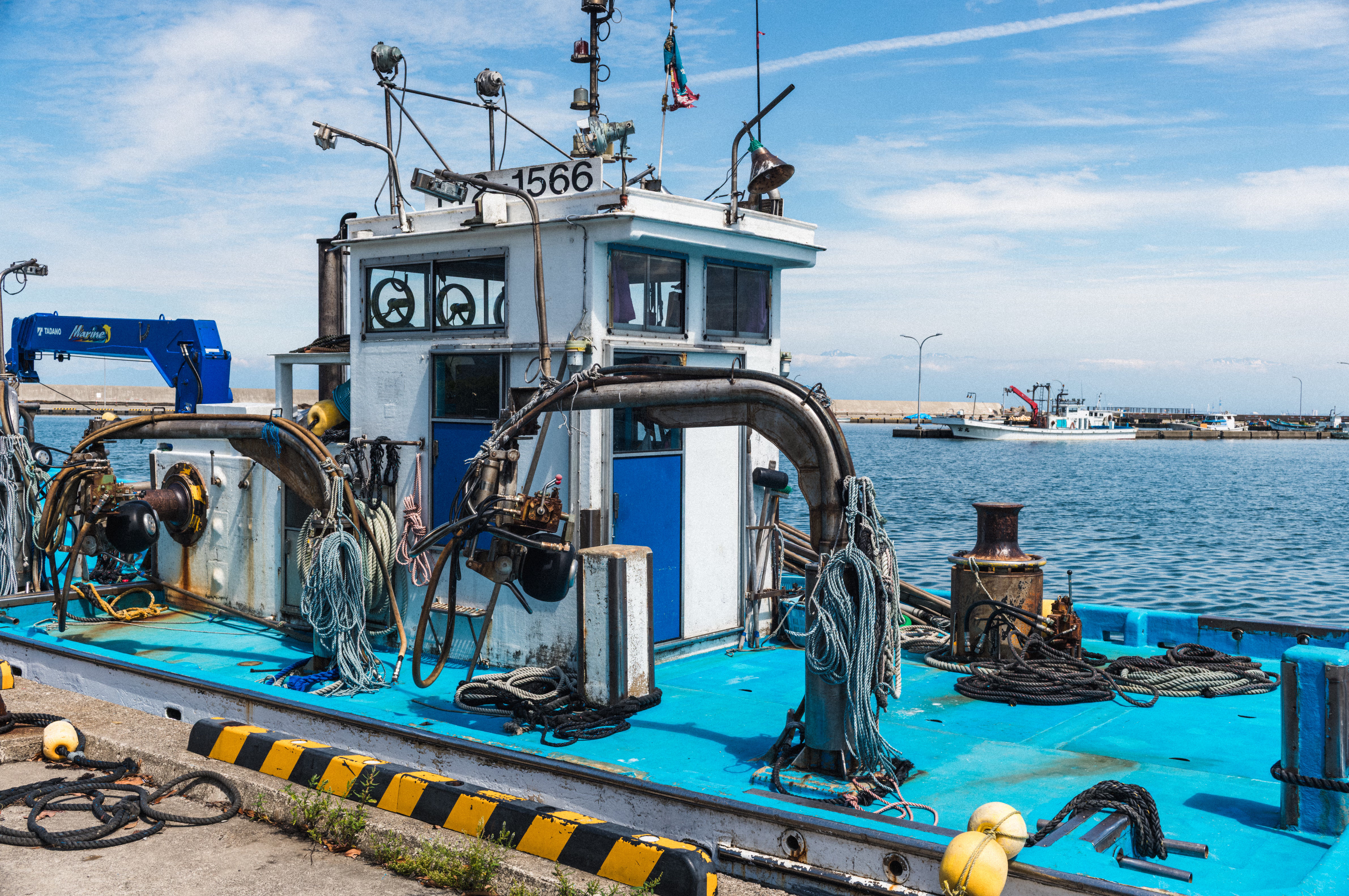
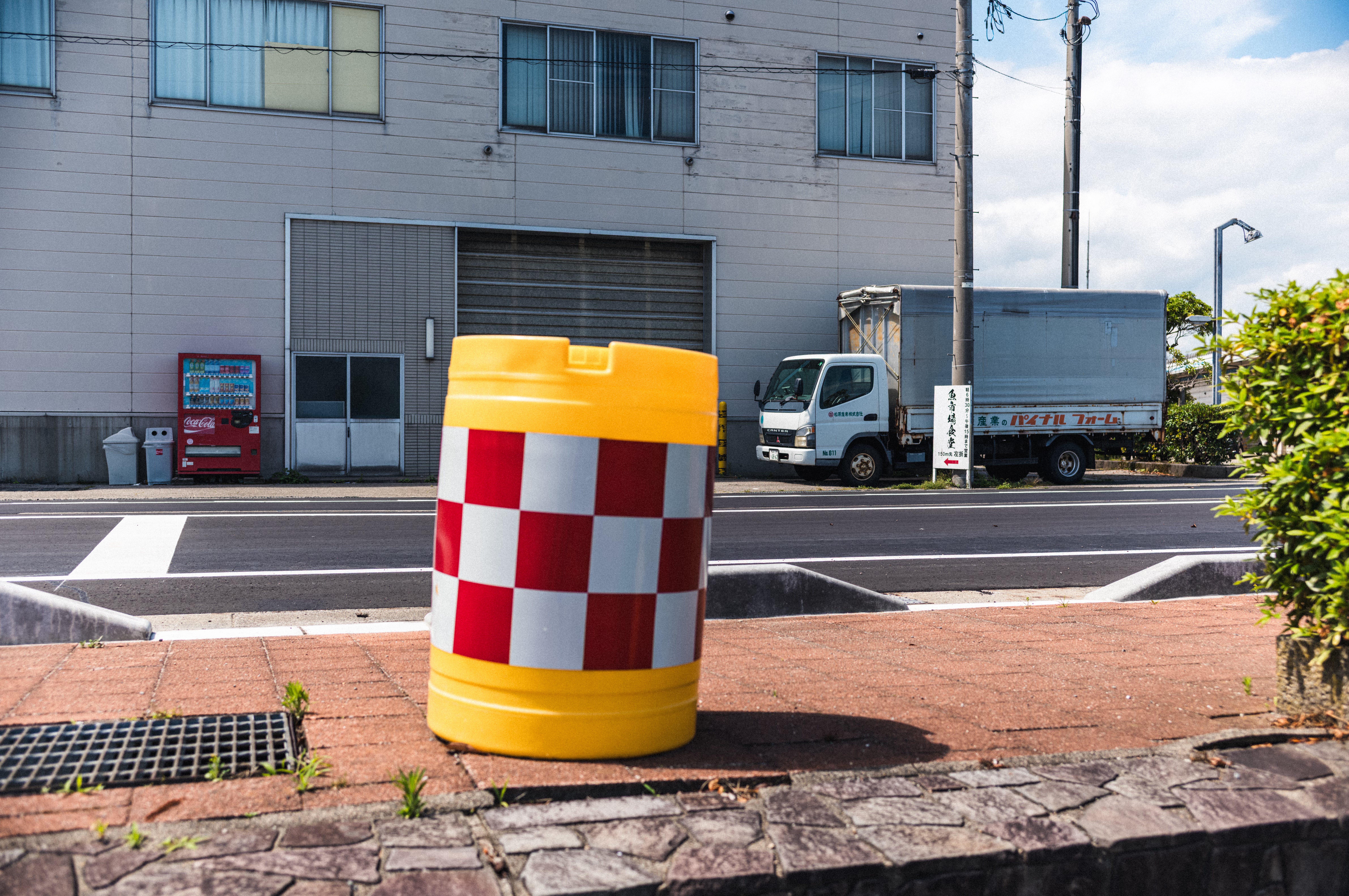
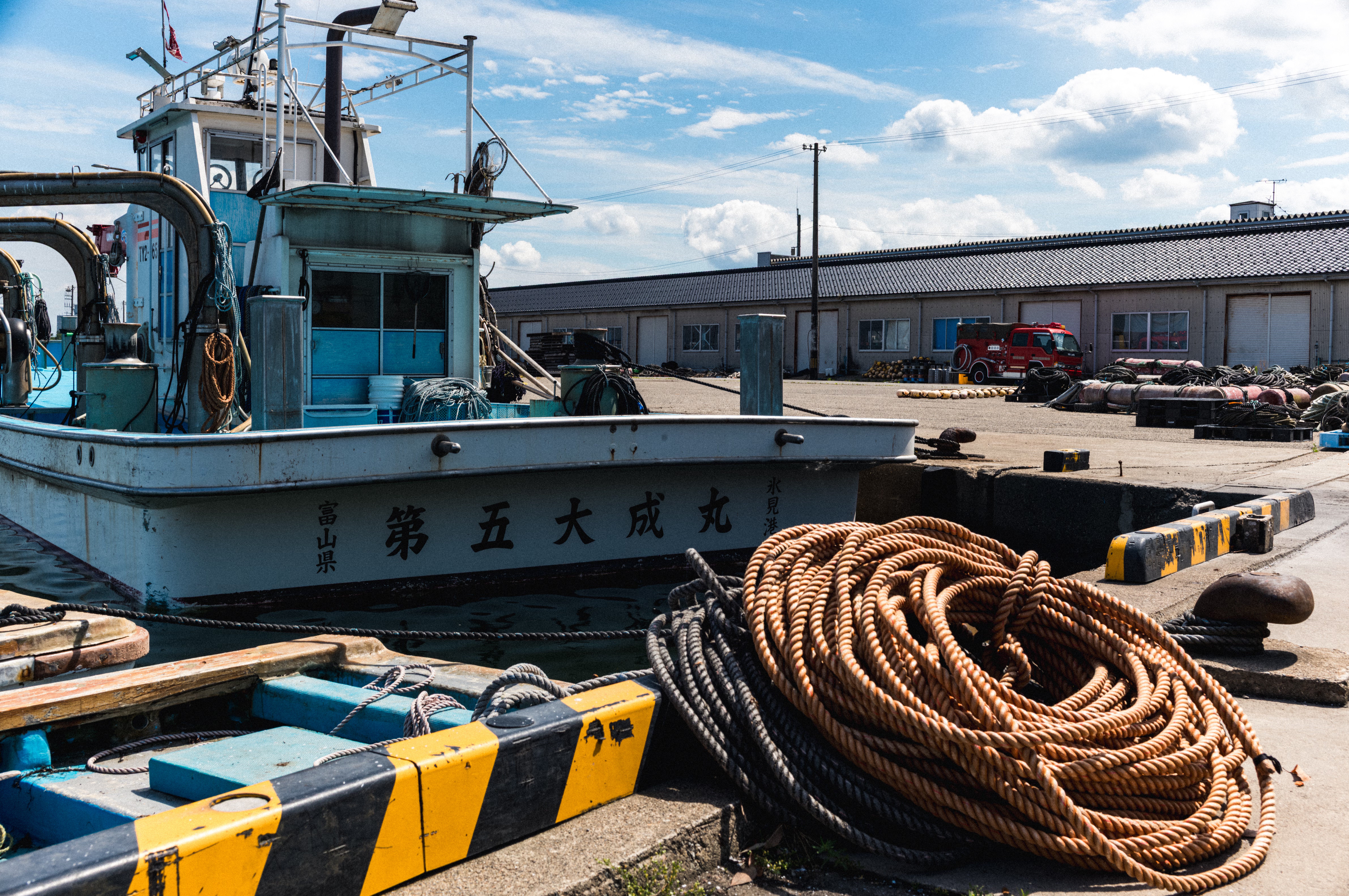
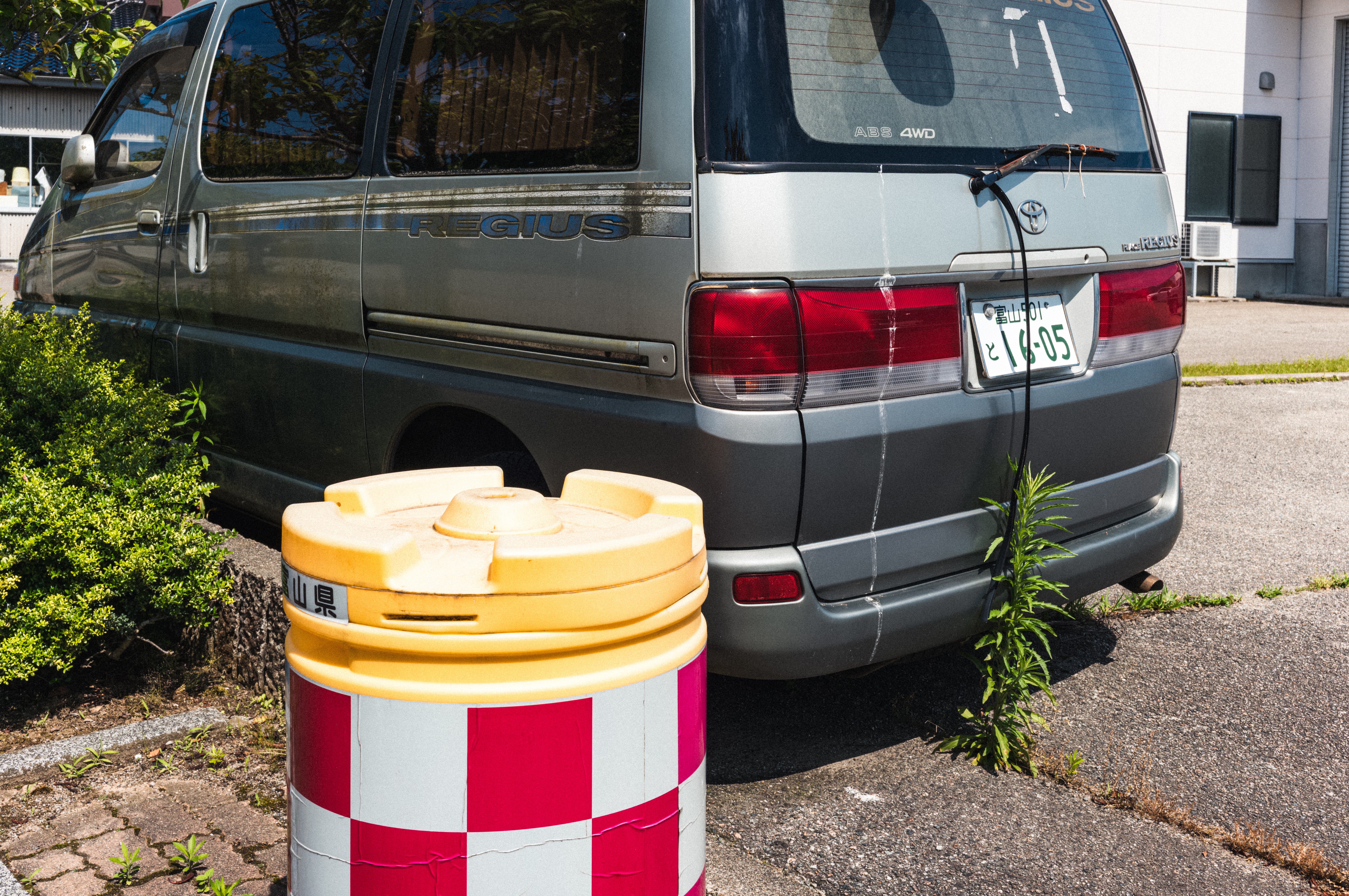
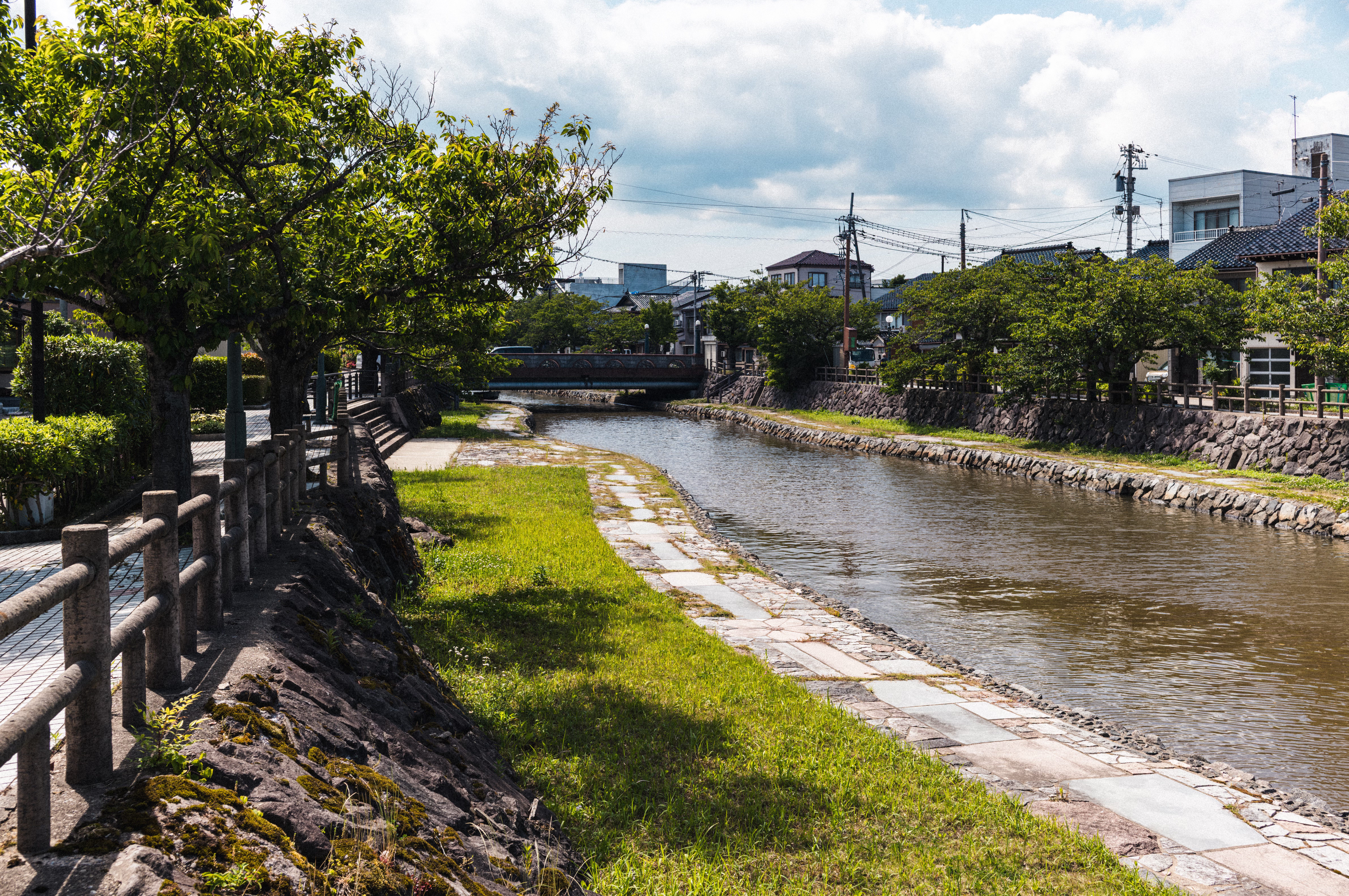
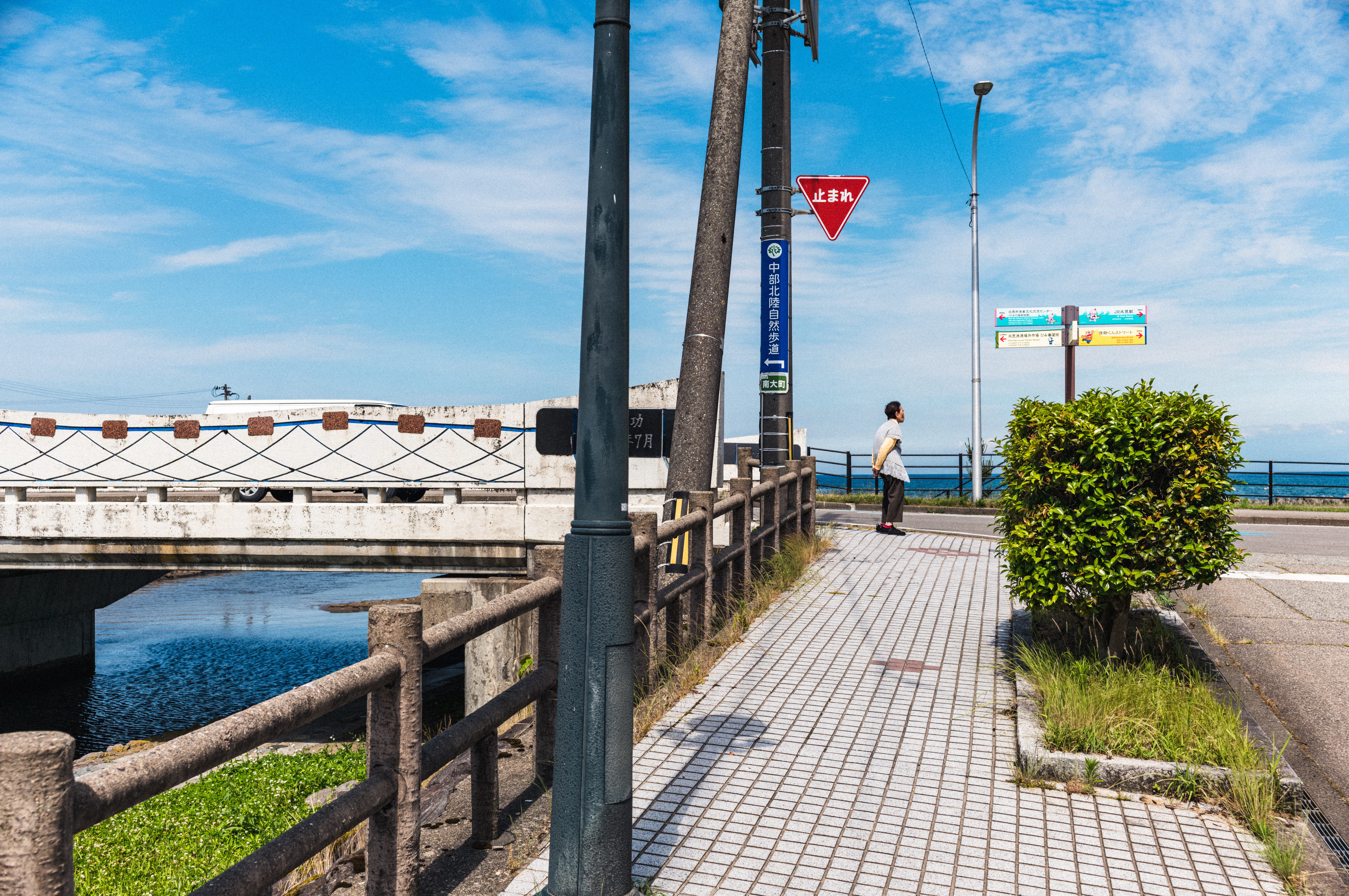
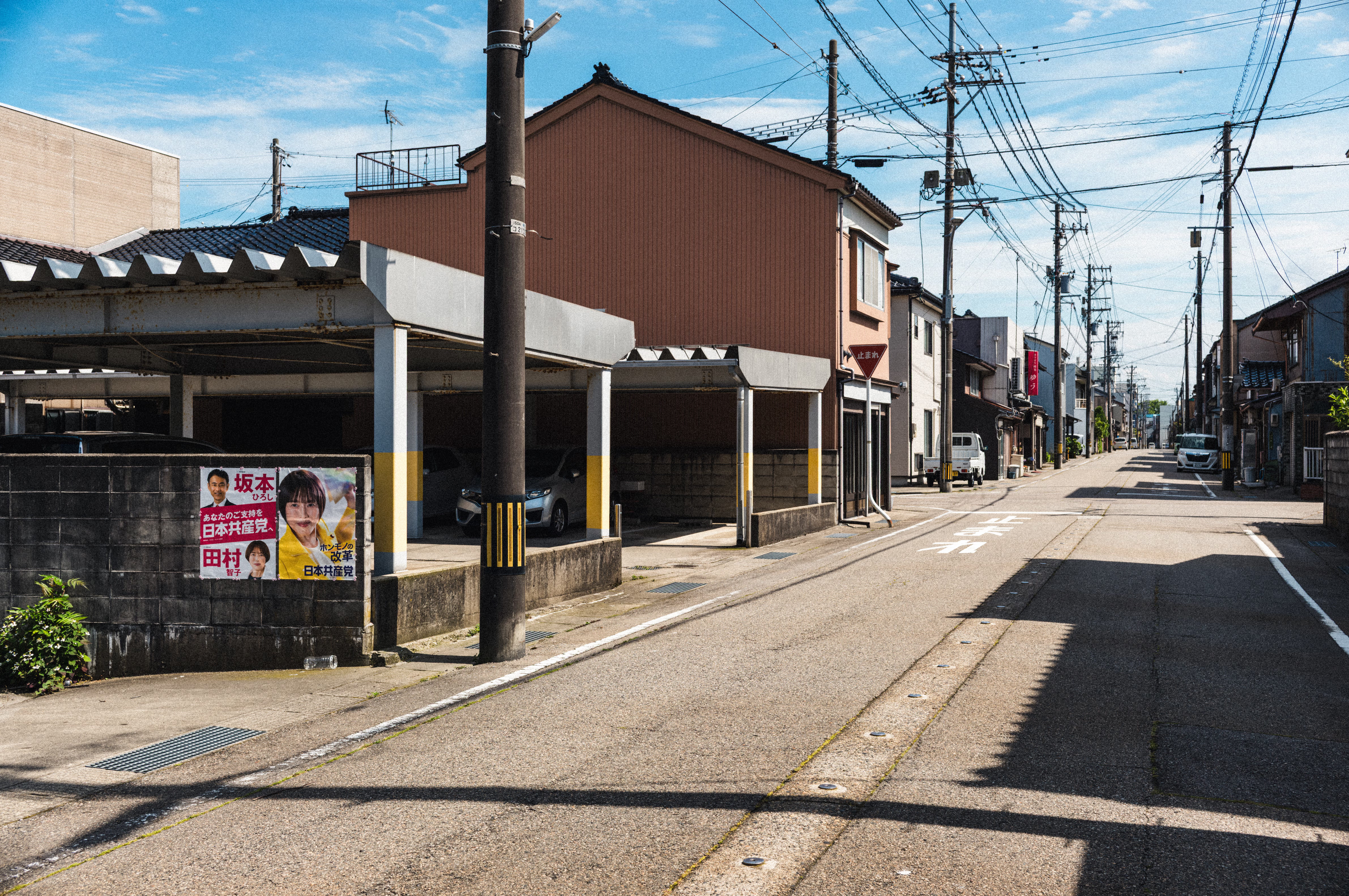
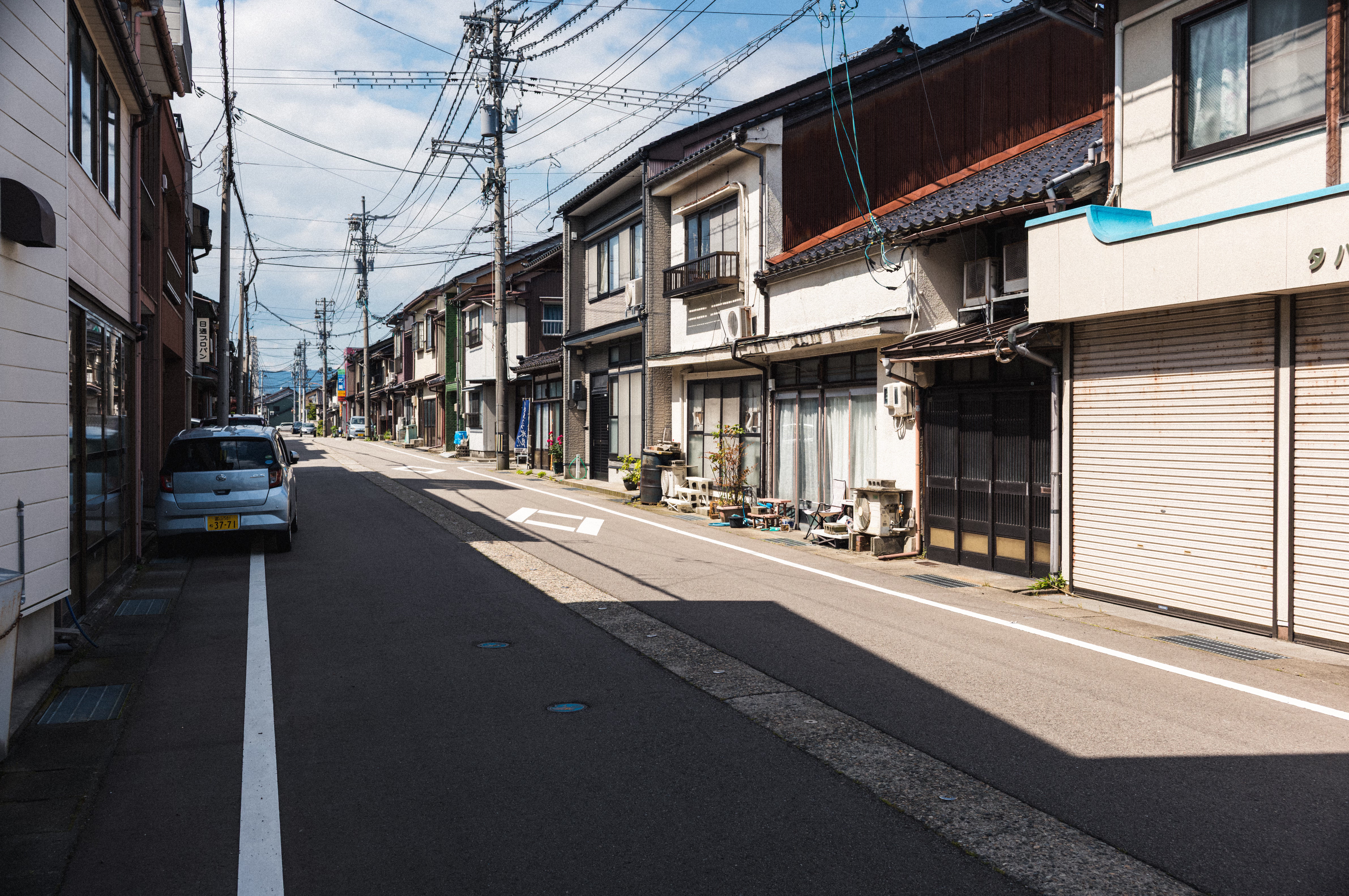
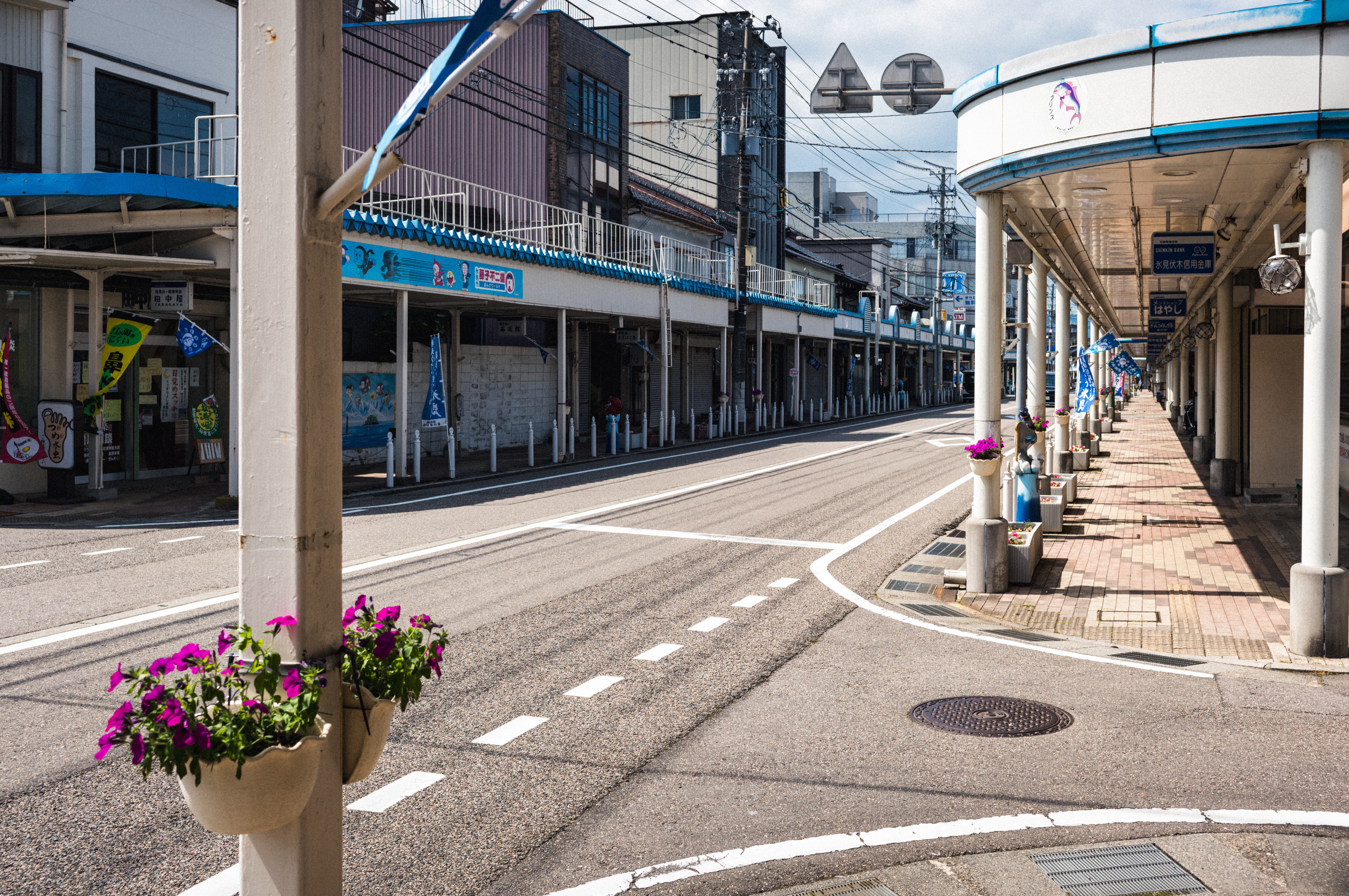

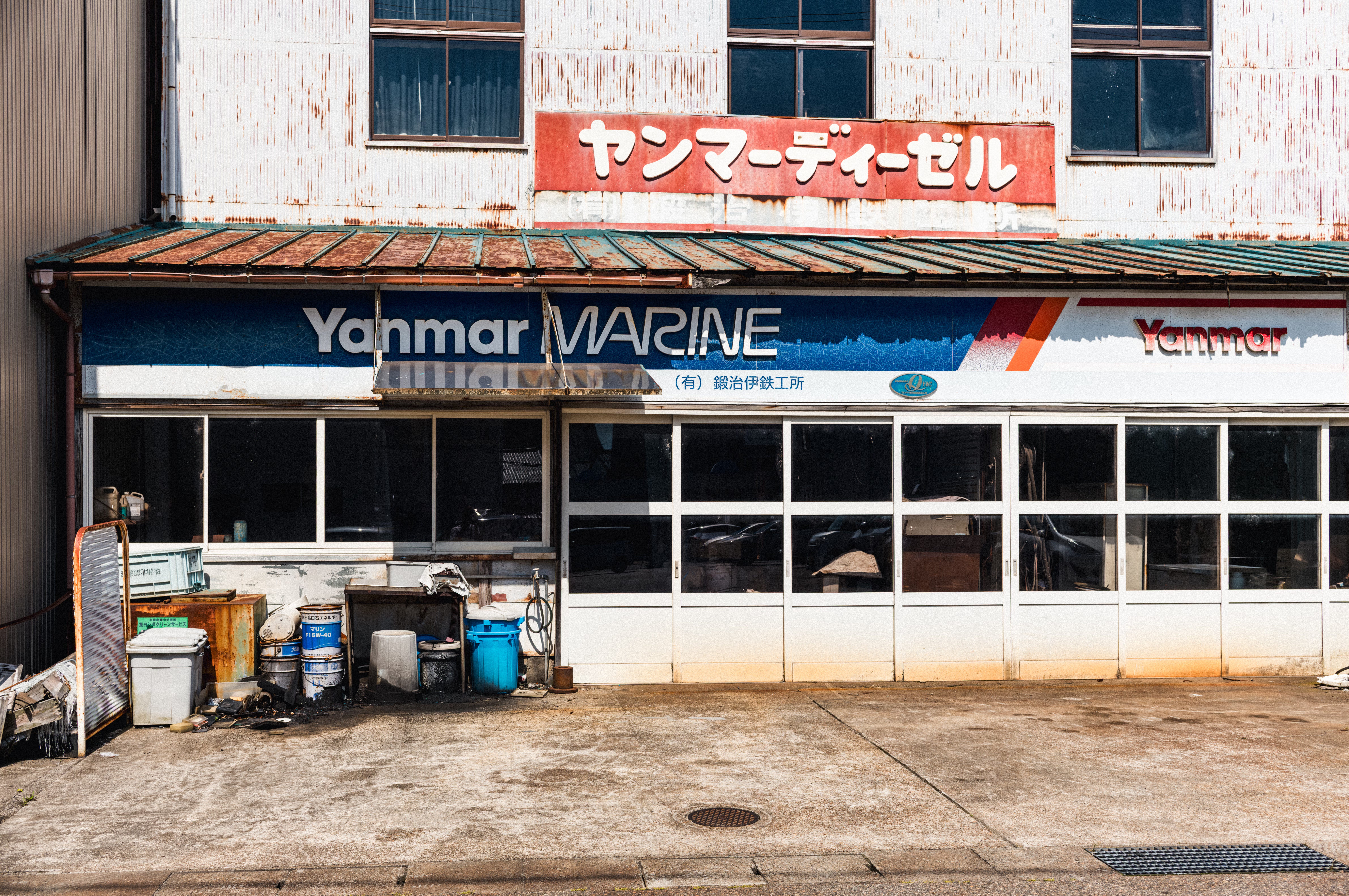
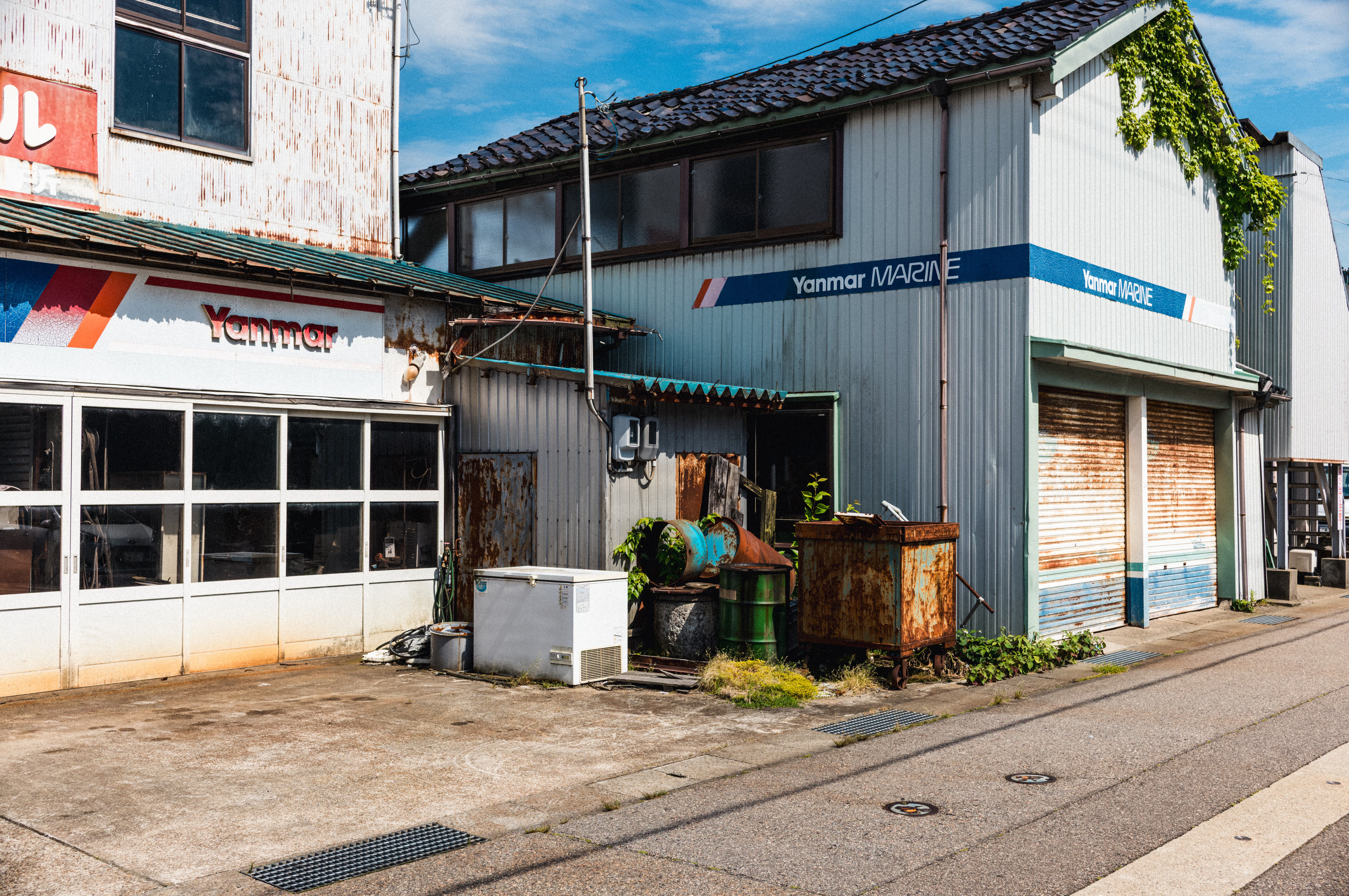
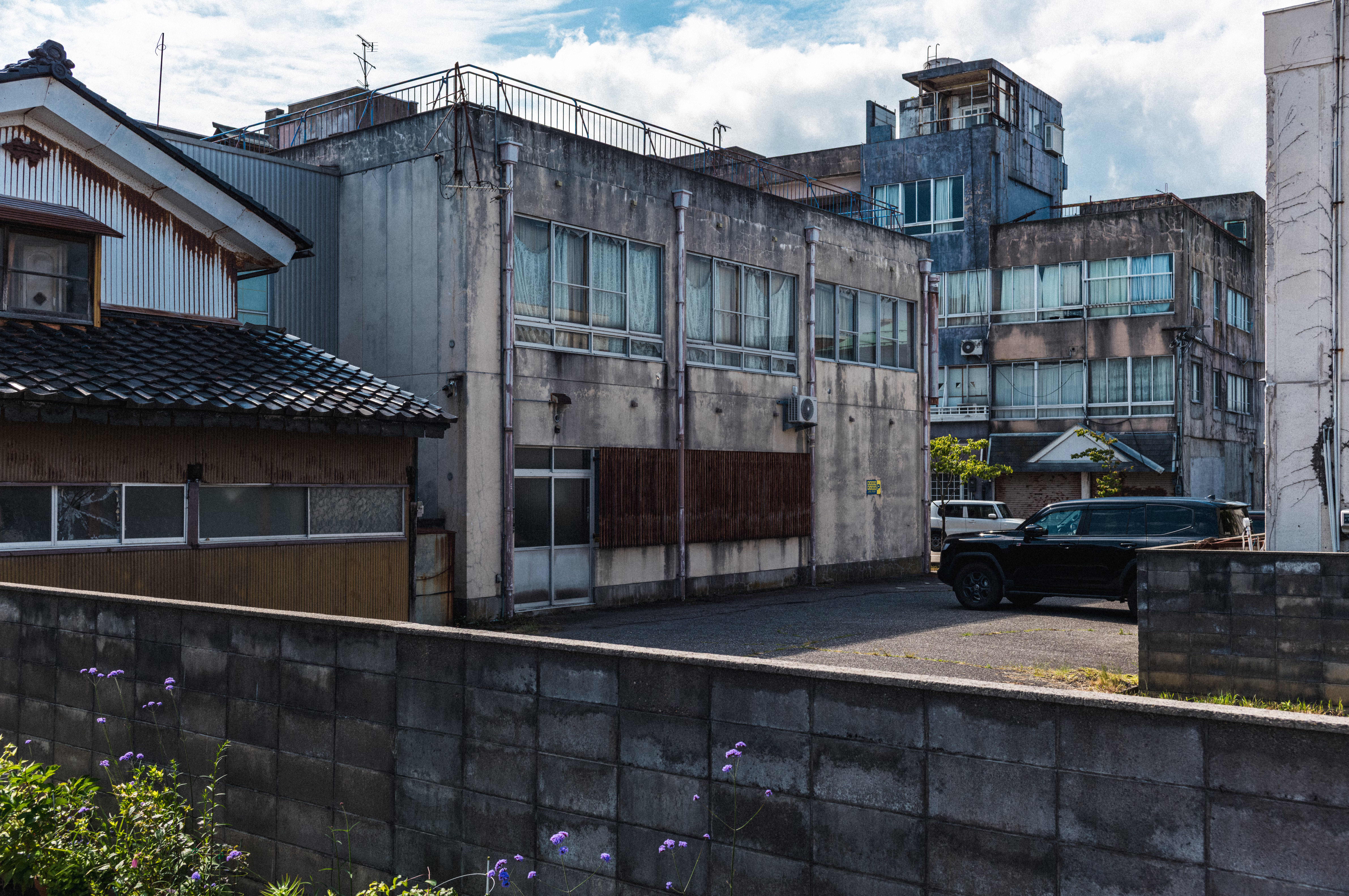
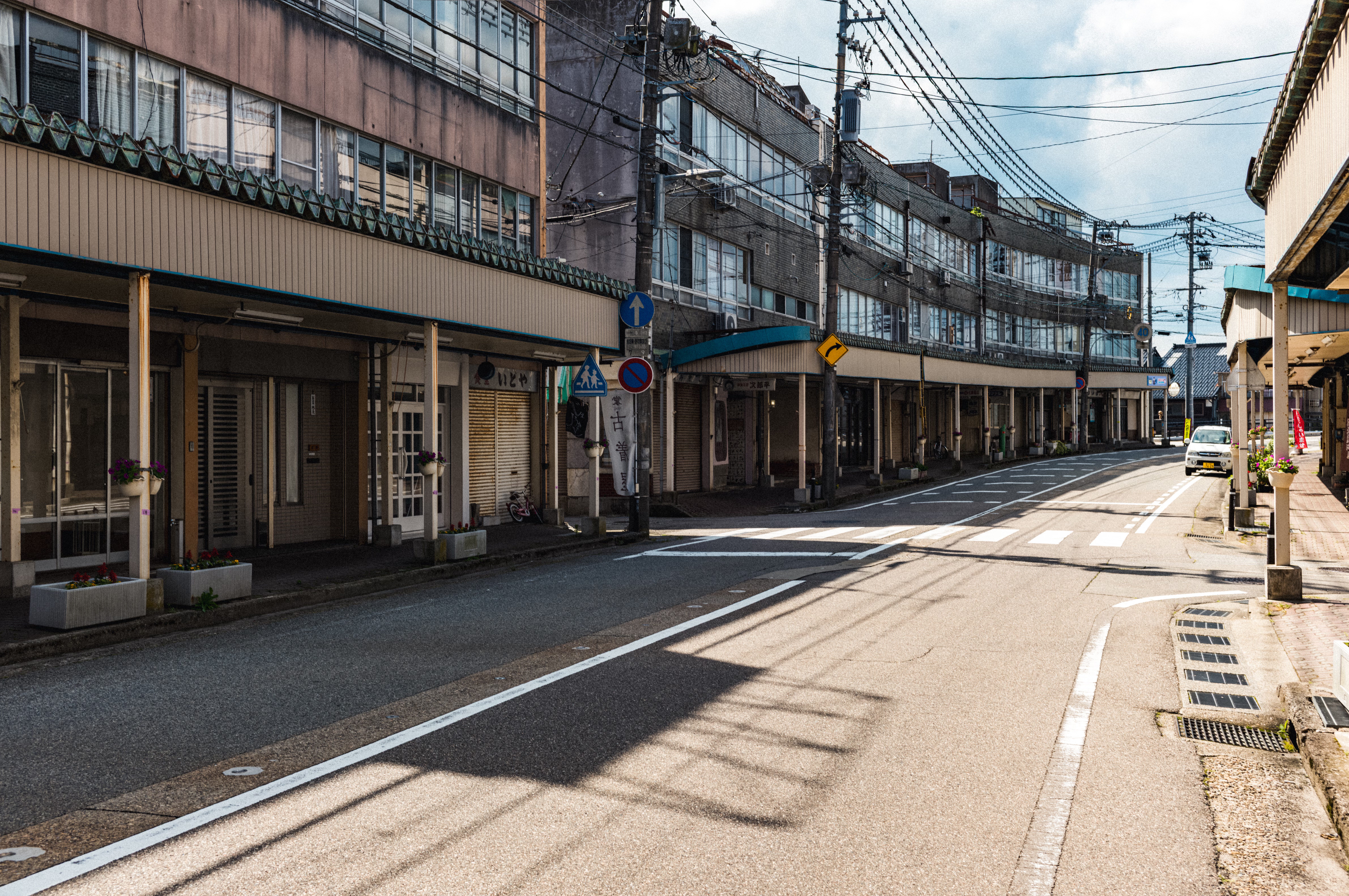
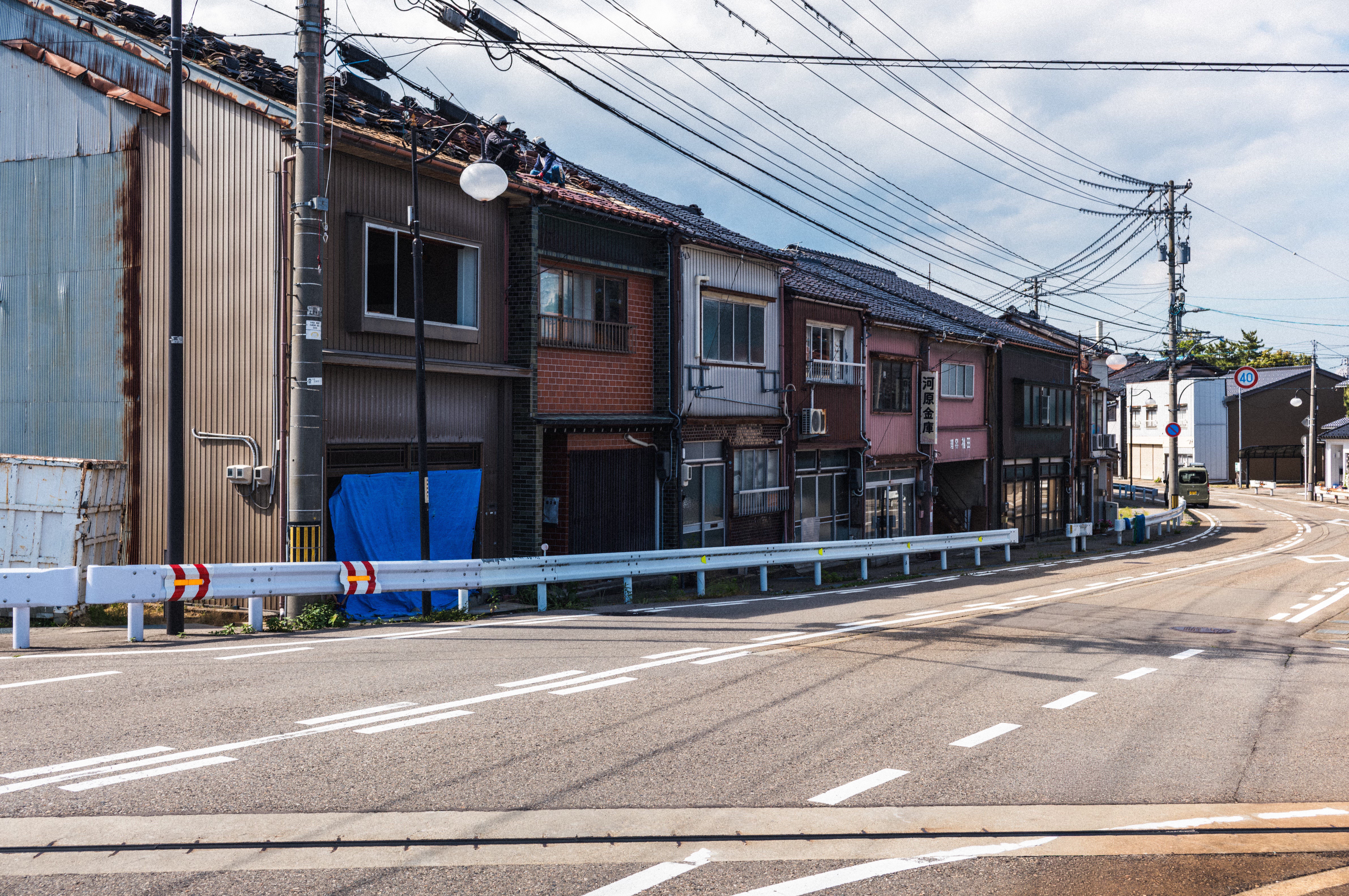
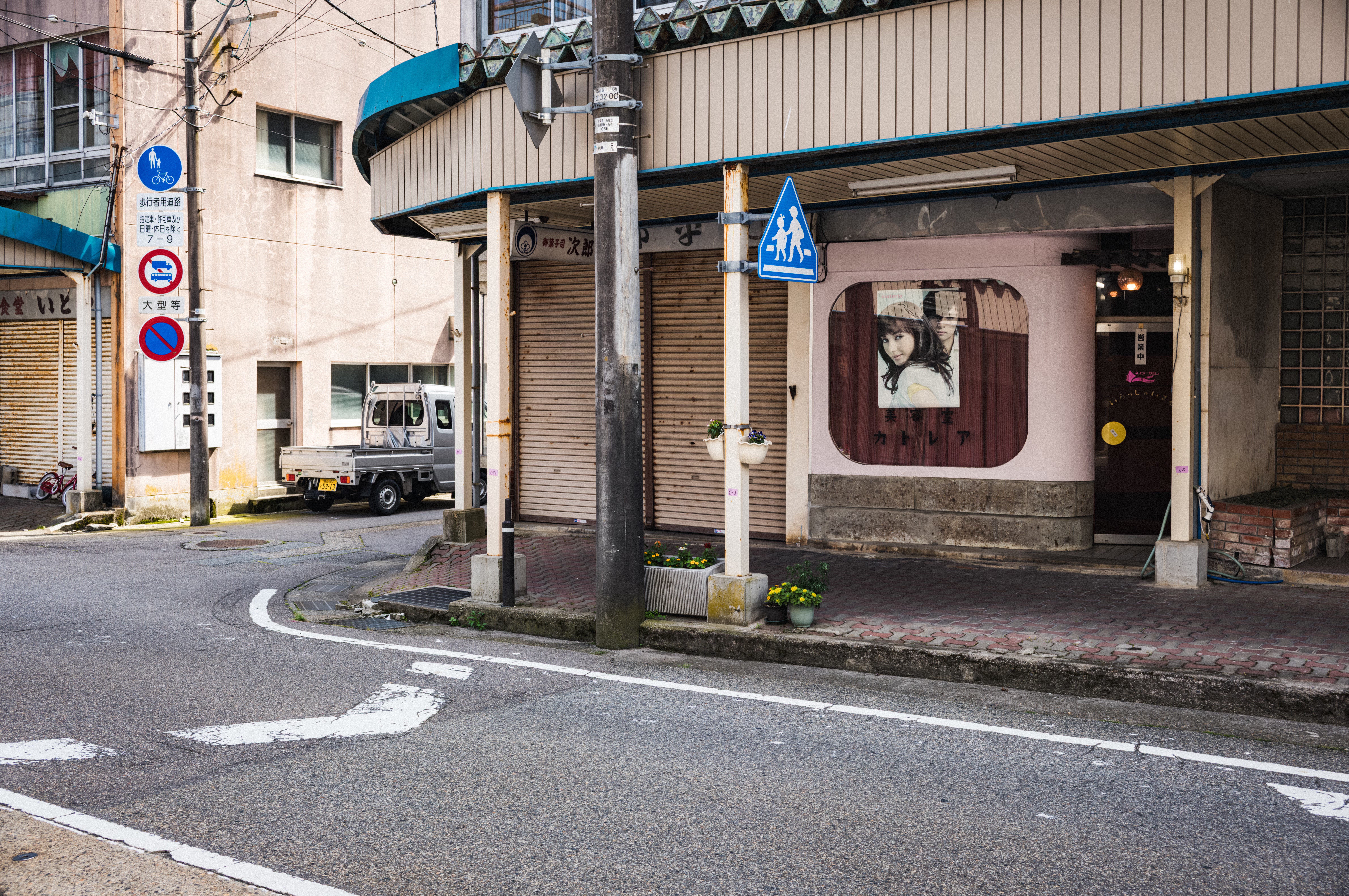
Himi City. A once-prosperous agricultural and fishing port town surrounded by idyllic nature, Himi shows the unmistakable signs of modern Japan’s post-Bubble-era fall from re-industrialization. With a general move towards centralization of industry to the main urban centres, modern heavy industry and tech. all but cease to exist here and the once thriving shotengai enclosed shopping streets and Ginza districts now sit empty and eerily quiet. Empty and desolate, shuttered-up shop fronts well past their prime dot the landscape; the signage and typography that remain hark back to a more colourful time, where optimism and local tourism were high and the bubble had not yet burst. A perfectly preserved relic, with Showa-era soft tunes and muzak drifting in from the still-operational PA megaphones and speakers—surprisingly crisp—yet playing to no one at all.
This is Empty Japan.