
Tokyo Duality
On dichotomy, Kaizen, and cycles of change

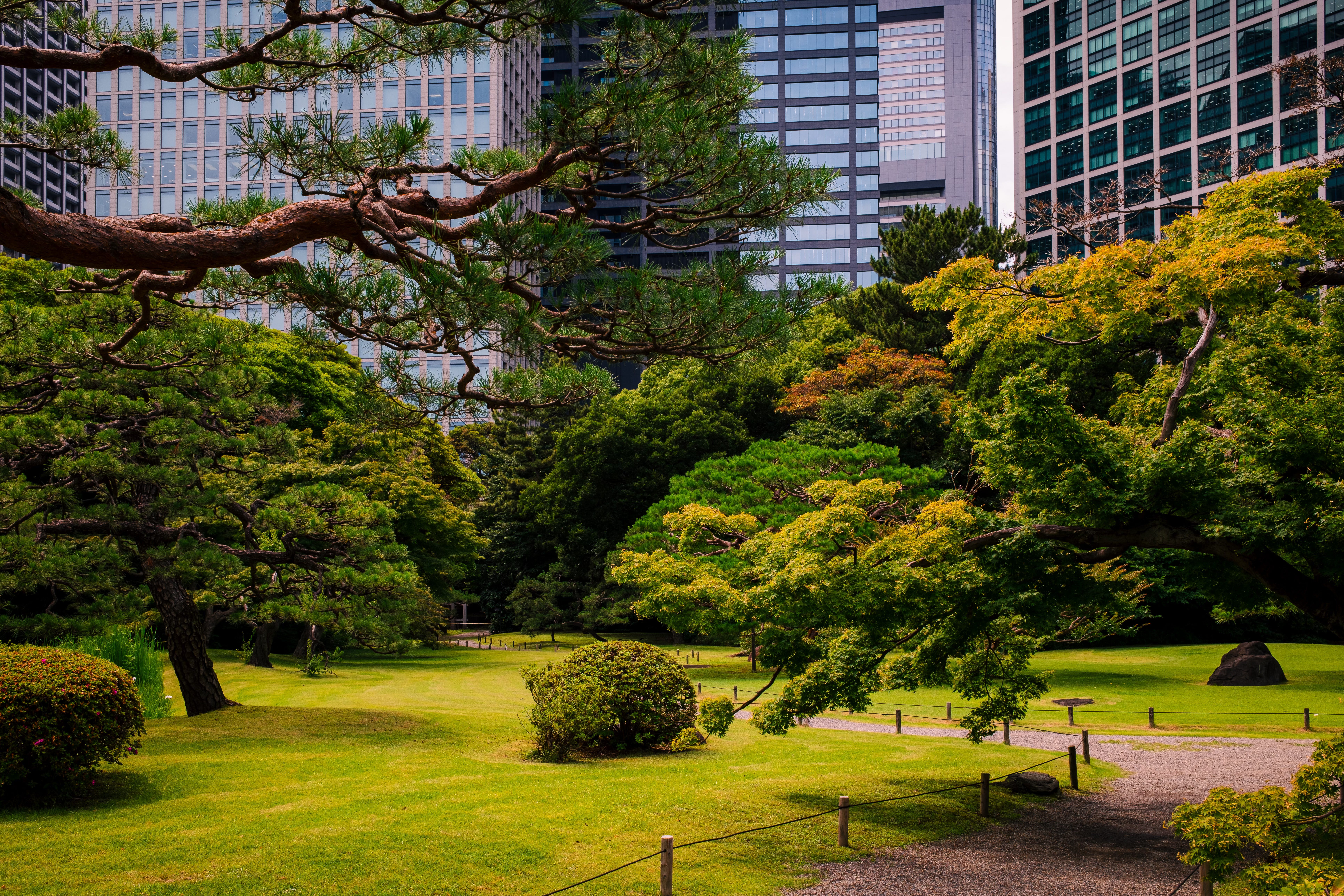
The late Anthony Bourdain once described Tokyo as a “…densely packed, impenetrable layer cake of the strange, wonderful and awful that thrills.” To this he added: “It’s mesmerizing. Intimidating. Disorienting. Upsetting. Poignant. And yes, beautiful.” His descriptions of the megalopolis were consistent with my initial impressions when visiting the city for the first time, seven years ago. Since then, I’ve become more familiar with the sprawling and initially daunting—alien, even—weave of ceaseless and self-perpetuating life that is the Japanese capital. After the deer-in-headlights, Lost in Translation-esque shock and awe wore off, one facet of Tokyo has continually fascinated and inspired: namely, its duality.
Let me expand on this: Japan is a nation of contrasts. Dichotomies. With the beginning of its modern era, circa mid-19th Century, the isolated and intricately preserved national identity has proliferated on the waves of imposed globalization and an imperialistic sphere of influence, reaching unforeseen and great heights; meanwhile, narrowly avoiding national destruction in the process. Our theme of duality, again. I mentioned “imposed globalization”, which if not for the imposed efforts of the enlightened Portuguese, Dutch and Spanish conquistadors and holy warriors of the 17th Century—or the first British explorers leading all the way up to American Commodore Matthew Perry’s less-that-subtle, heavily armed Opening of Japan in 1865—the Japanese would likely have remained perfectly content hidden behind a veil of intrigue and mysticism. Descendants of the Gods, in a Holy land of the Rising Sun. Divine celestial sun goddess Amaterasu’s children, left to their own devices, avoiding a real need to change and adapt to what was then a massively advanced and interconnected global landscape. A national identity and culture built upon introspection, tradition and spiritual ideals, in no small part influenced by the green archipelago’s natural bounty aplenty accompanied by two centuries of previously uninterrupted peace, held no inward need for keeping up with the imperialists. But then, everything changed…only to stay the same.
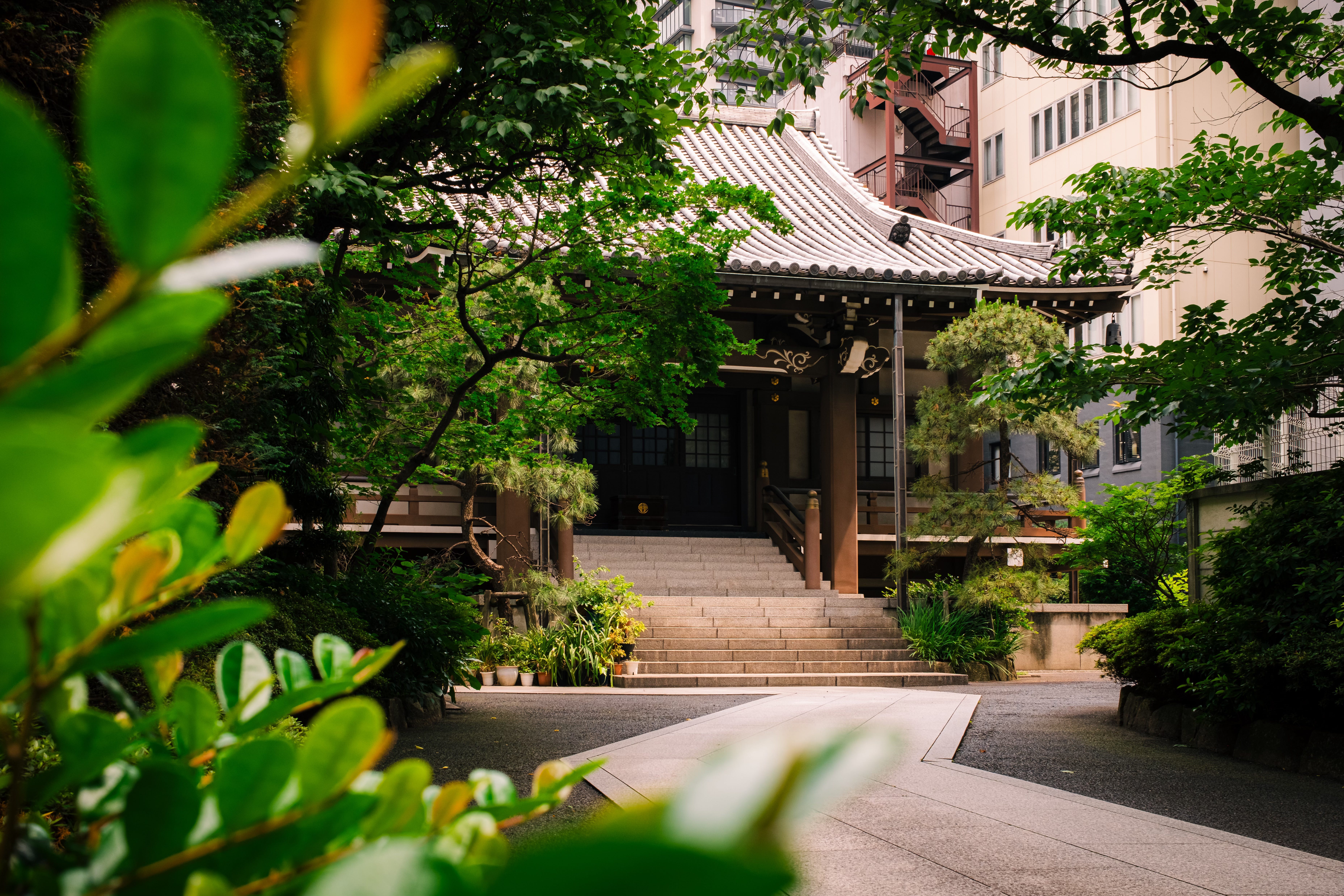
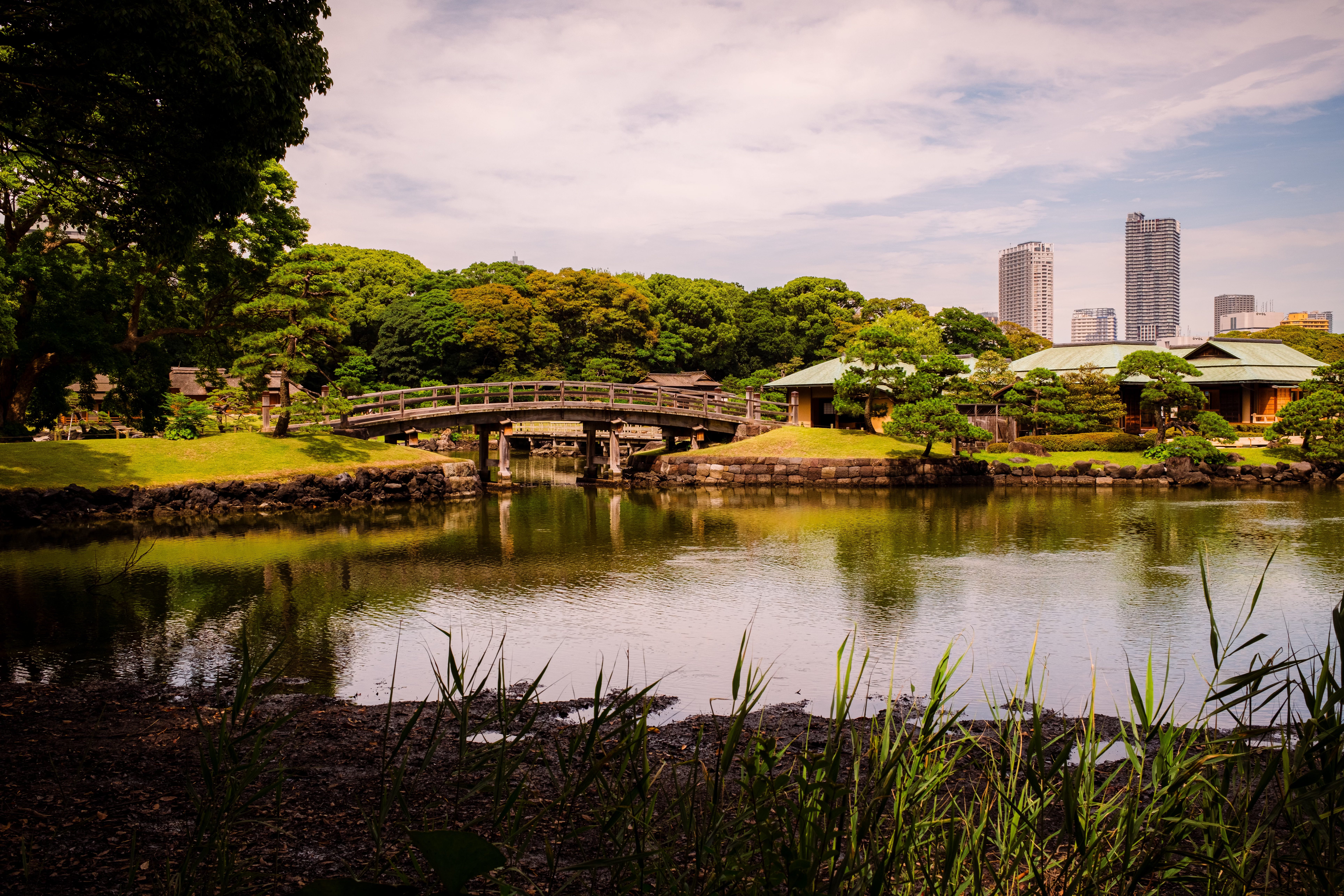
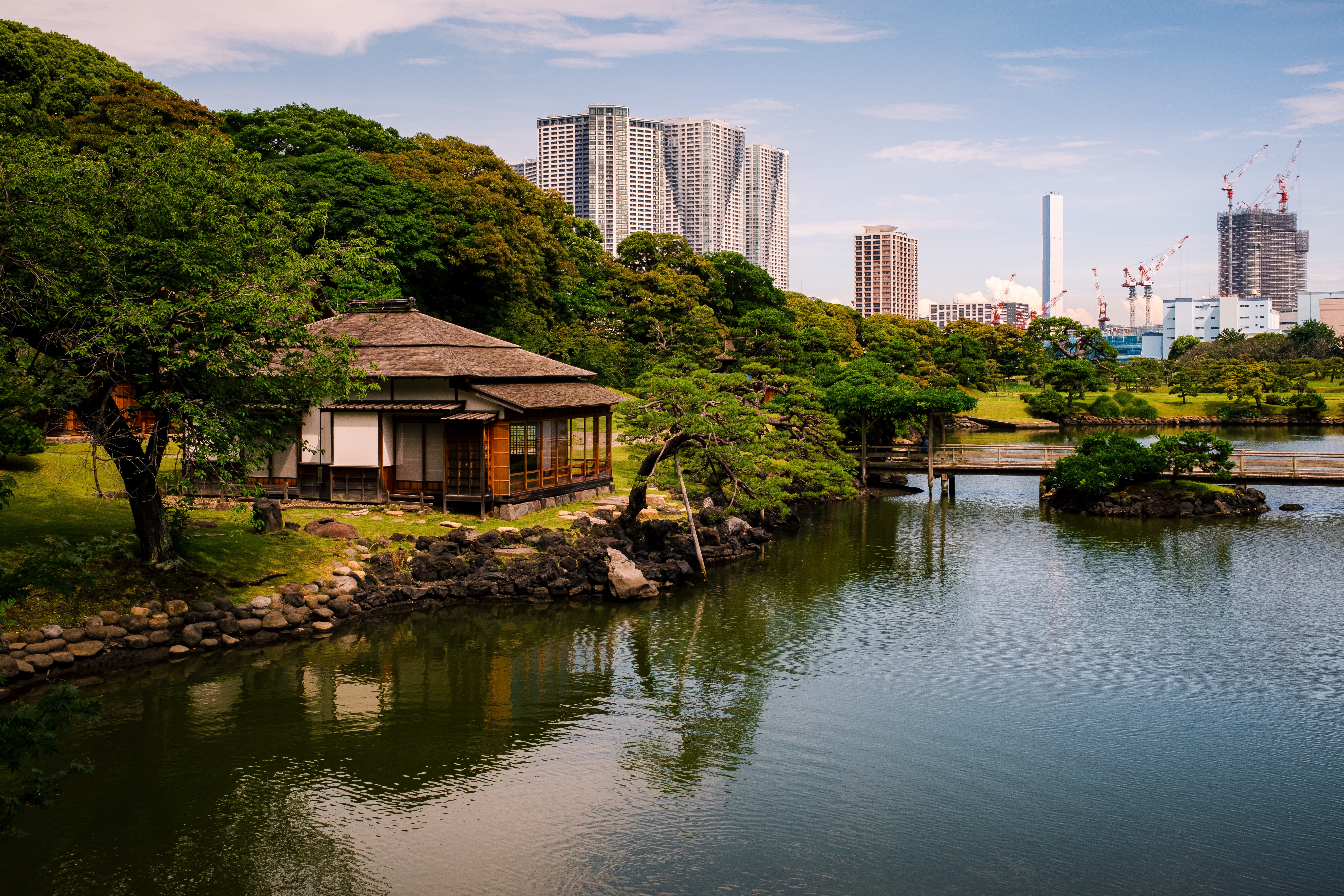
The resultant socioeconomic and geopolitical shift that followed helped form the Japan of today. A reasonably short-lived rise-and-fall story which included a newfound appetite for expansionism, Eurasian colonization and keeping up with the Imperialist Joneses; a foray into far-right-wing extremism and a Pacific conflict concluding in the world’s first horrific exposure to atomic warfare (an inability to concede defeat or adapt is often cited as a primary cause of the destruction, but I’ll leave that up to you, the reader); and a demeaning American demilitarization effort intent on erasing aforementioned Japanese divine spirit and identity, or Yamato-Damashii, was the final disgrace. A breakneck rebuilding phase and population boom followed with the country’s resources focused on, you guessed it, national intent, which gave birth to the Japanese Bubble Period—or golden era—of cutting edge technology and consumer electronics, financial assets and heavy industry. National intent and centuries-old traditional work ethic and cultural values, spun into a modern mold and spilling into the globalized world, cementing Japan as a top three GDP nation and economic superpower.
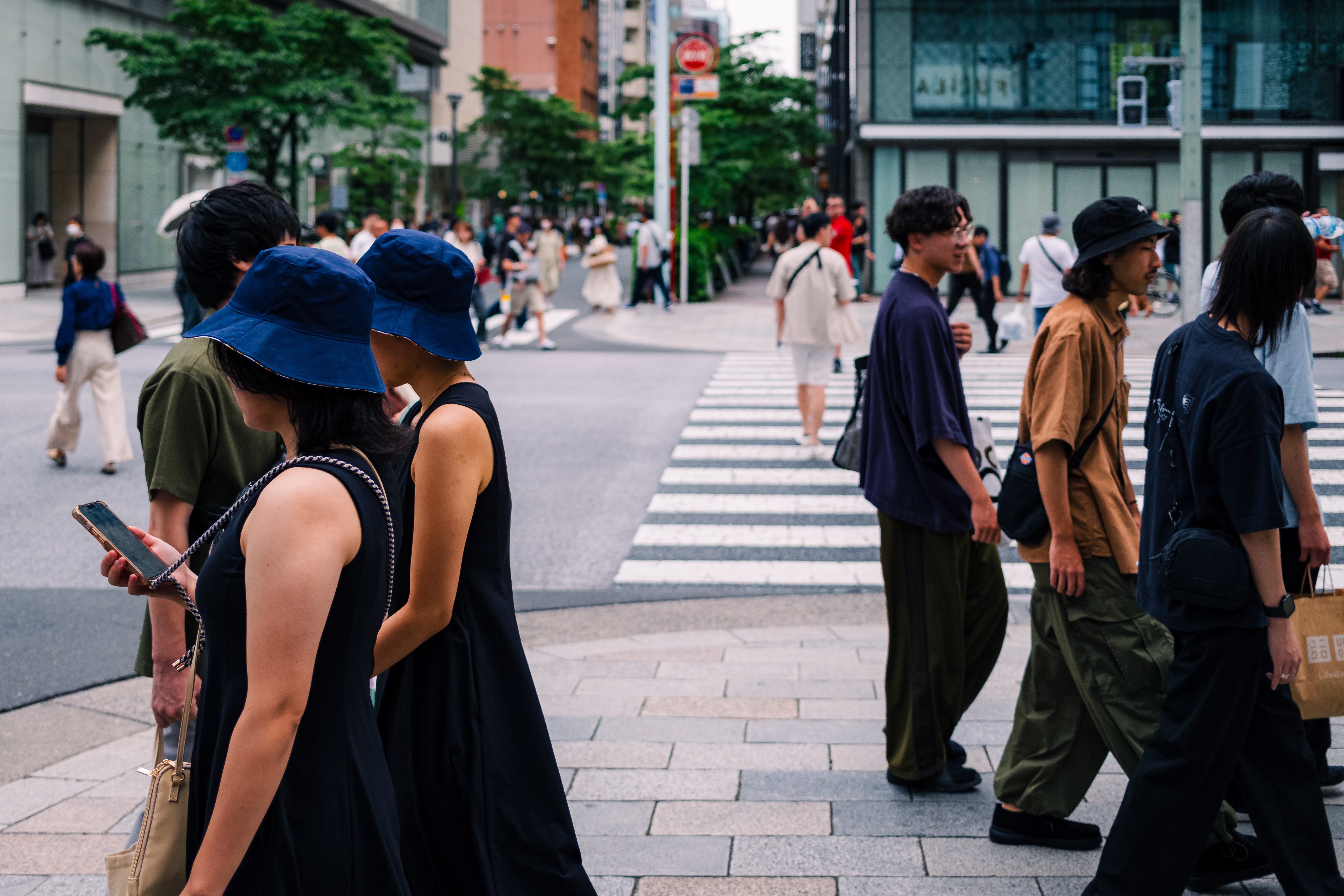
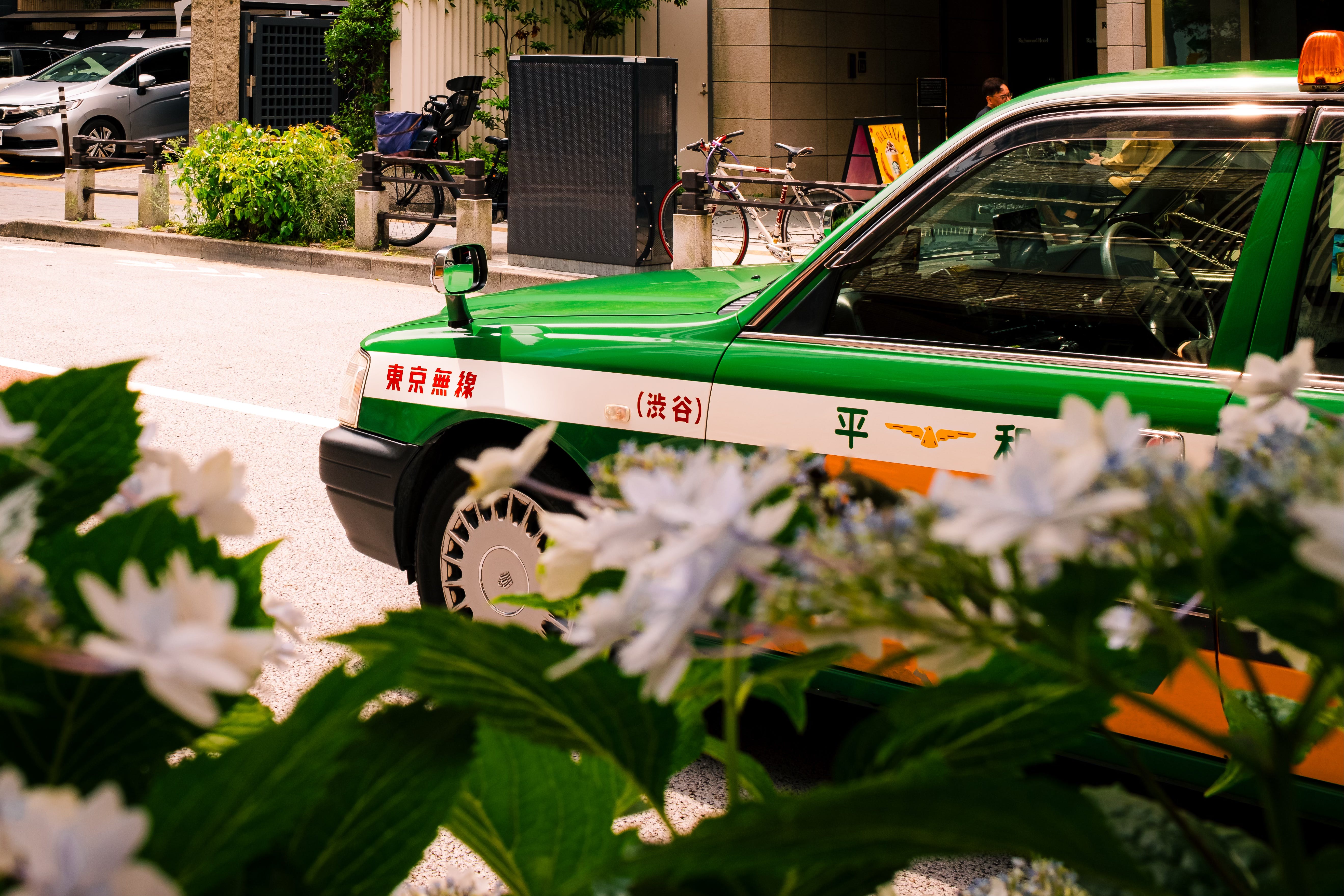
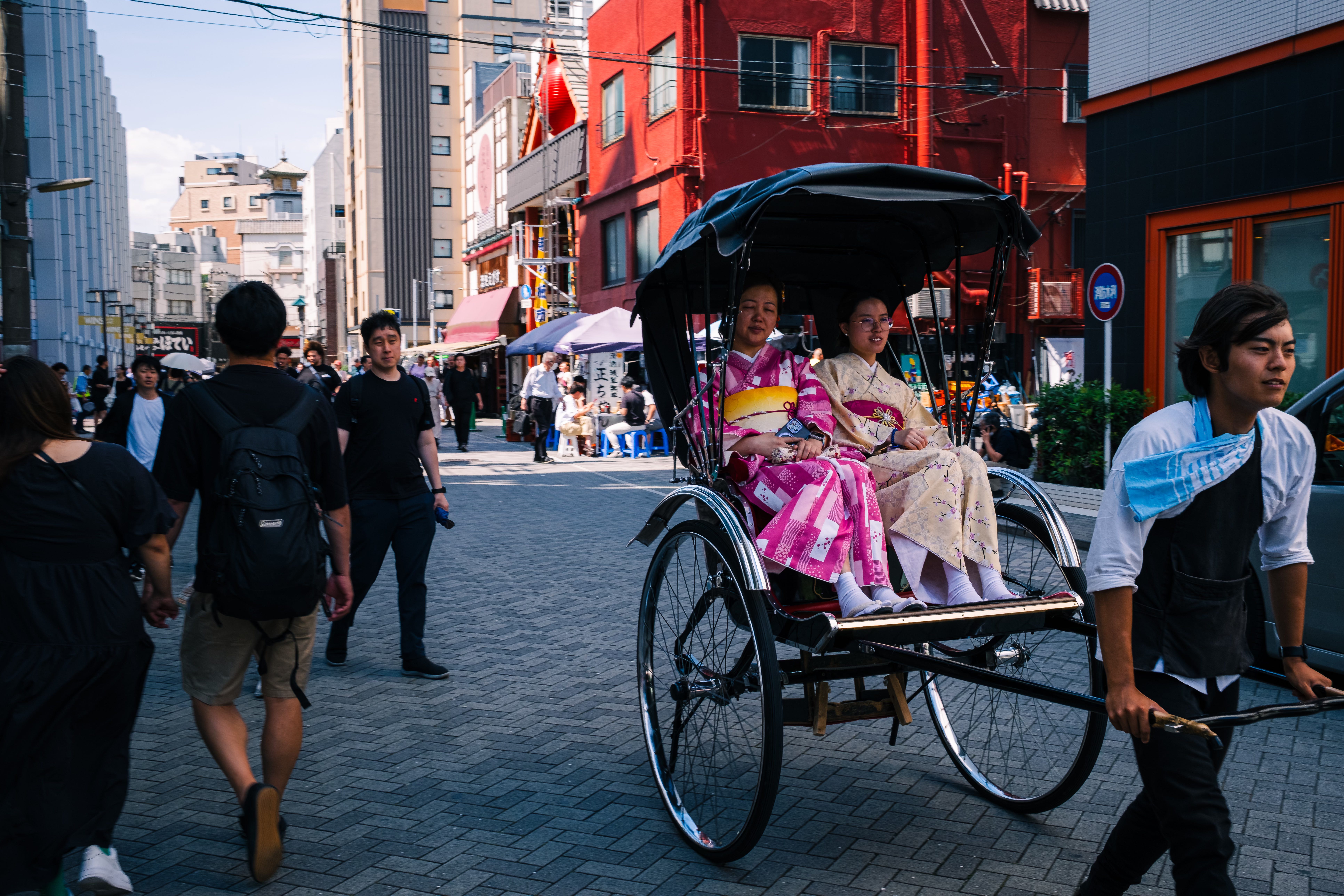
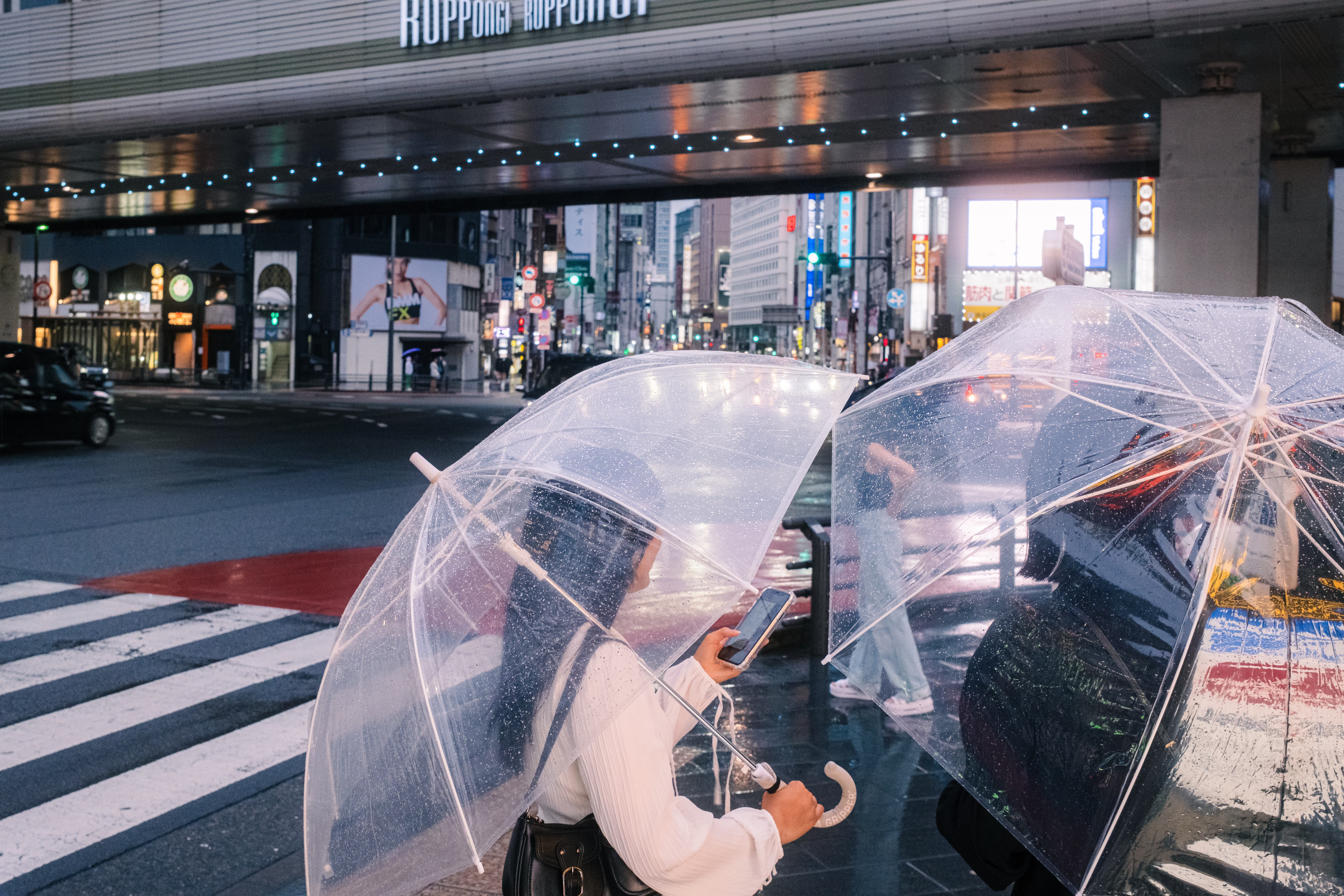
Humming along like a a well-oiled Pacific steamer, with no looming danger or risk in sight, the inherent trope of the unique Japanese condition and heritage reared its dignified head once again. With Japan’s position on the global landscape seemingly guaranteed and booming, national intent settled into a period of stagnation, otherwise known at the Lost Decades starting in 1990. Development and adaptation to an ever-changing global chessboard slowed, that ugly word change once again uncomfortably prodding at the backs of the Japanese corporations and ruling class. Kaizen, or the Japanese industrial philosophy of continuous improvement and change, seemingly having lost some of its forward momentum and pizazz, counteractive to an ancient belief of preservation and tradition. (The Ancient Greeks would have a different term mind you, akin to resting on one’s laurels.) Economic crisis and recession on the horizon, with a struggling currency limping the traditional salary man along the clean-swept streets of Marunouchi’s financial district, briefcase in tow, dress shoes heavy on shine, dress tie flailing in the wind. What had already been an aging population to start, alarming birthrate decline followed once again, along with an arguable loss of identity and purpose in the bright, young educated working class. The nations brightest has already experienced an exodus of sorts, uprooting rural Japan and thus leaving it increasingly traditional and devoid of Kaizen, flowing by the droves to the urban hubs of Tokyo, Osaka and Nagoya. The fact is illustrated even further by how Tokyo feels like a nation all of its own, seemingly distant and disconnected from the rest of Japan. Or is that all of Japan is centred in Tokyo, itself? Without Tokyo, modern Japan ceases to exist? A matter of circumstance perhaps, there is Tokyo, and then there is Japan proper.
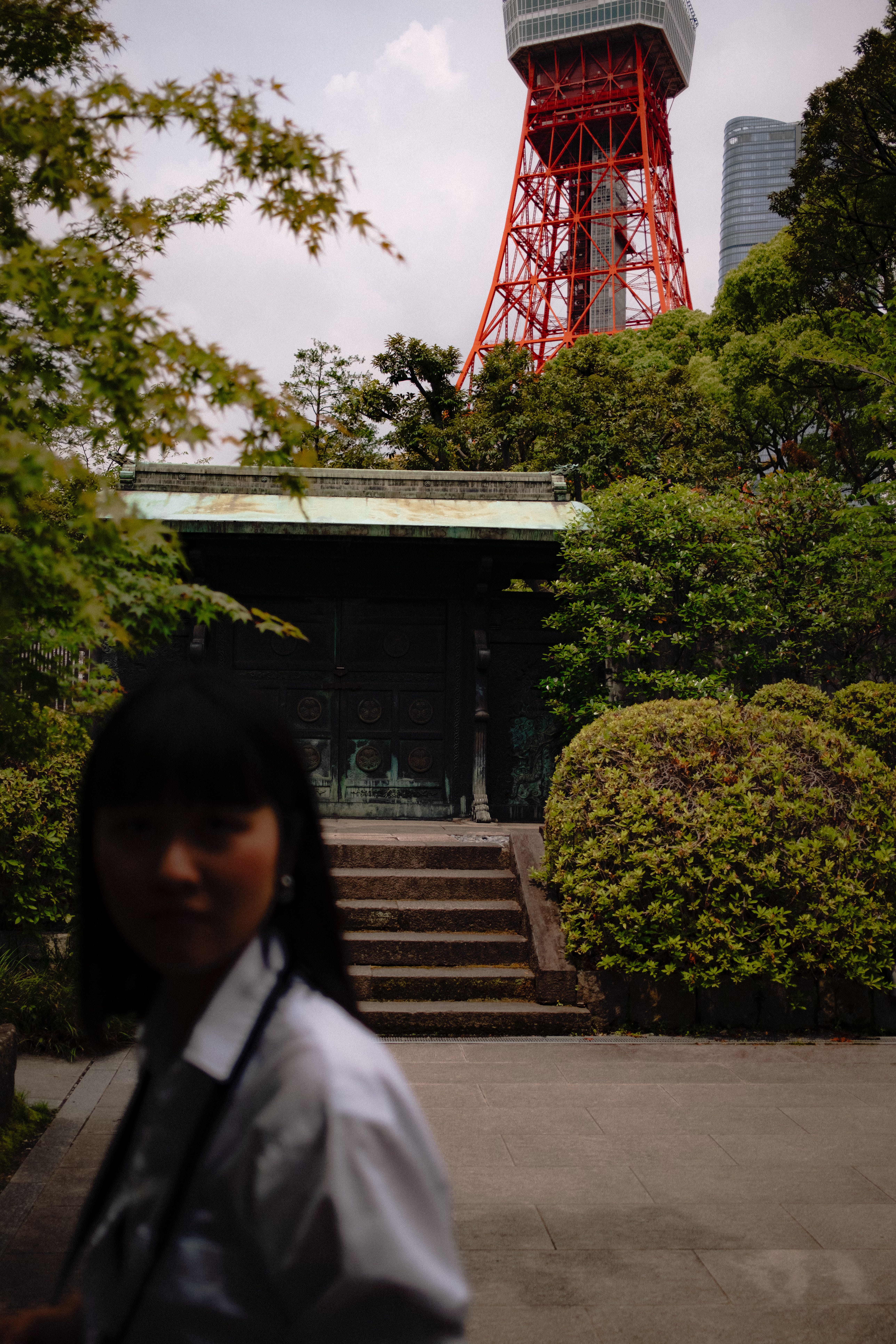
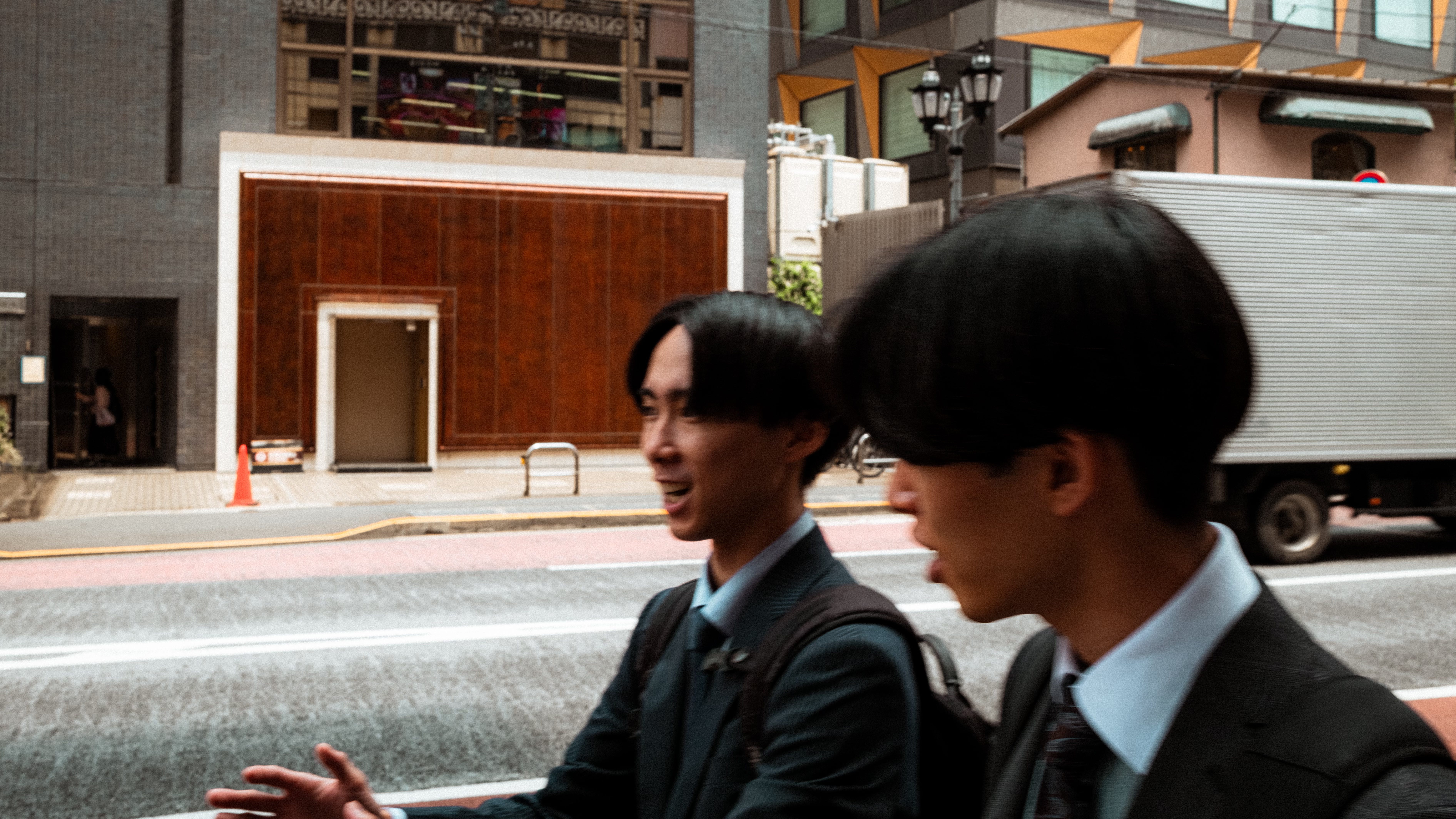
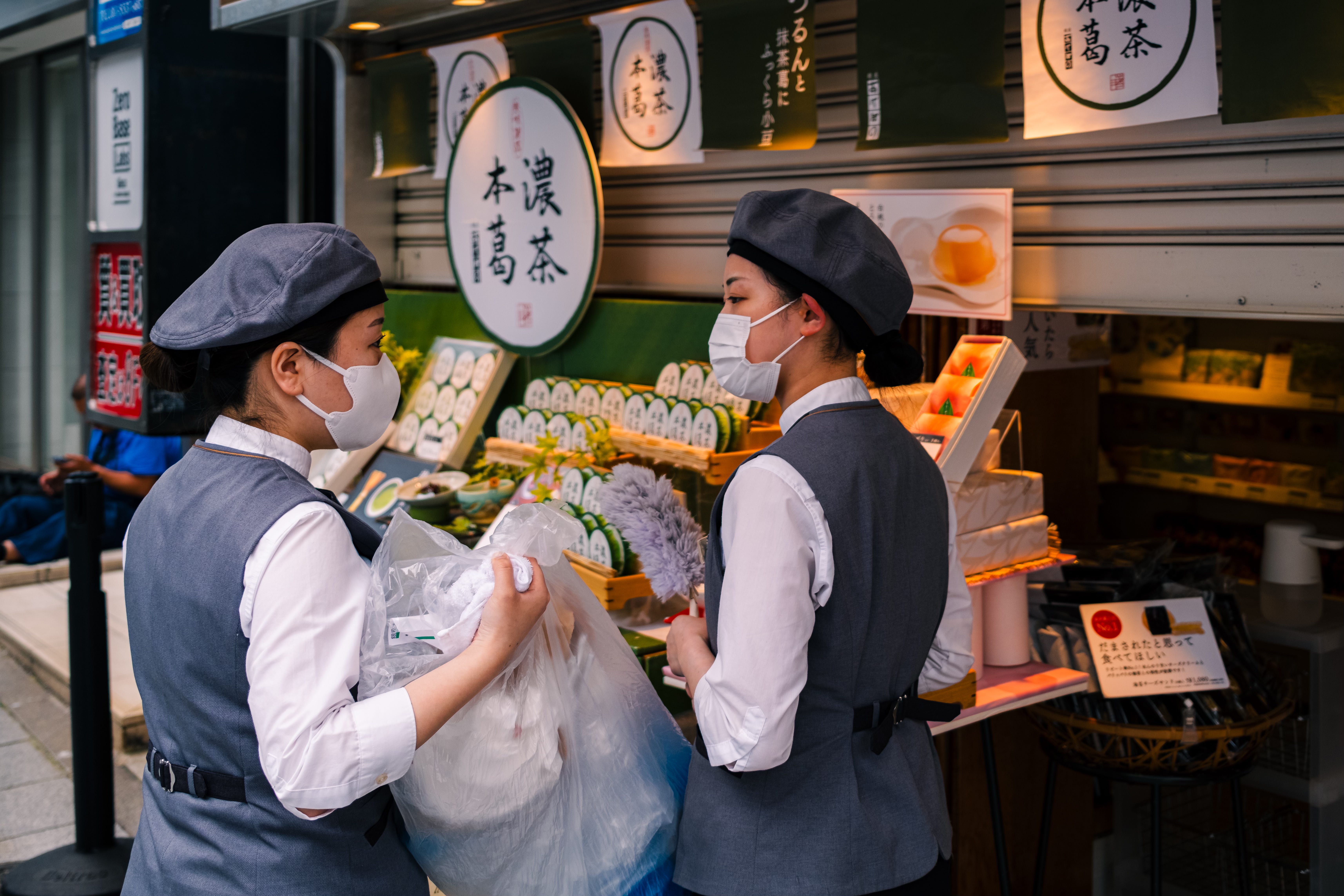
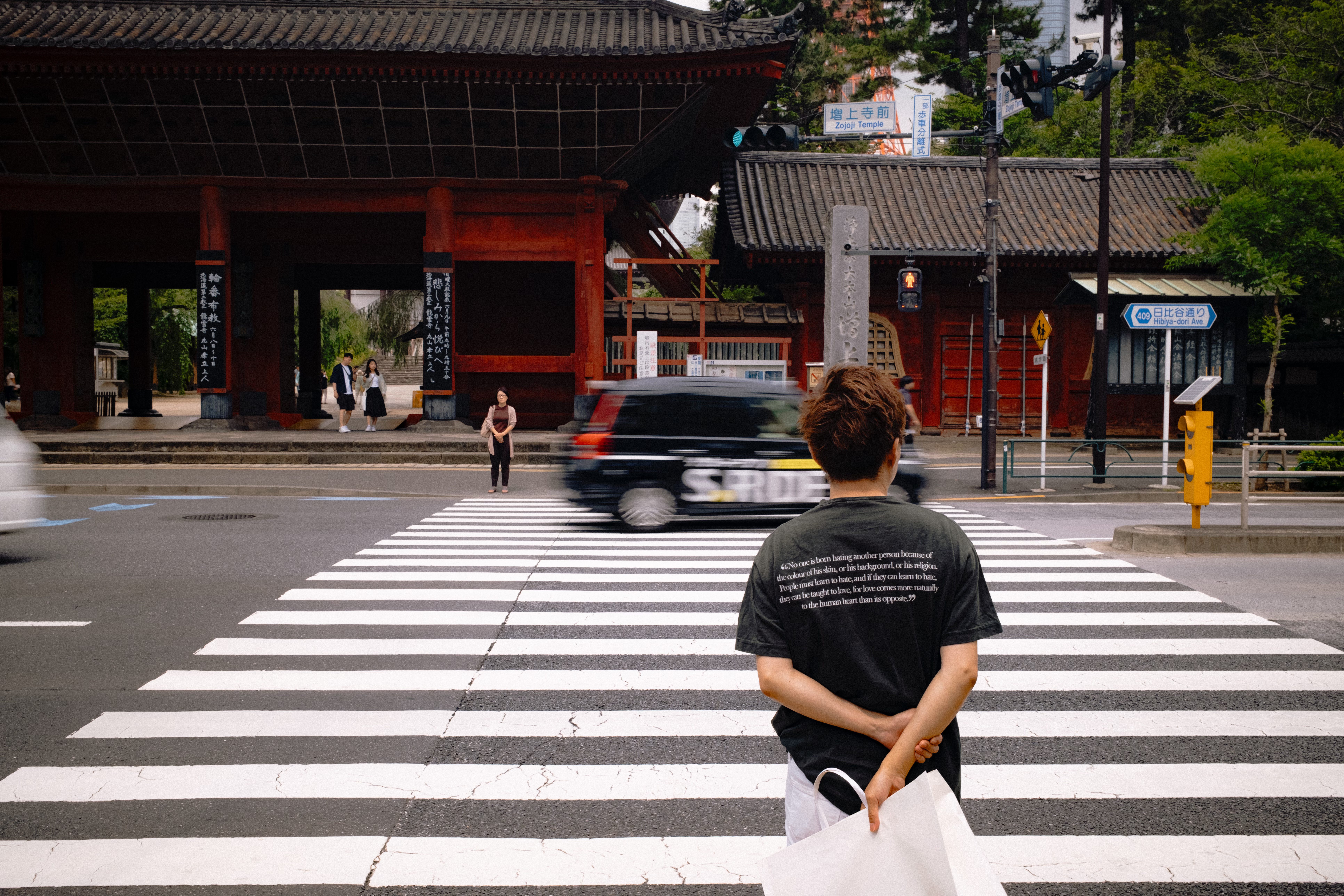
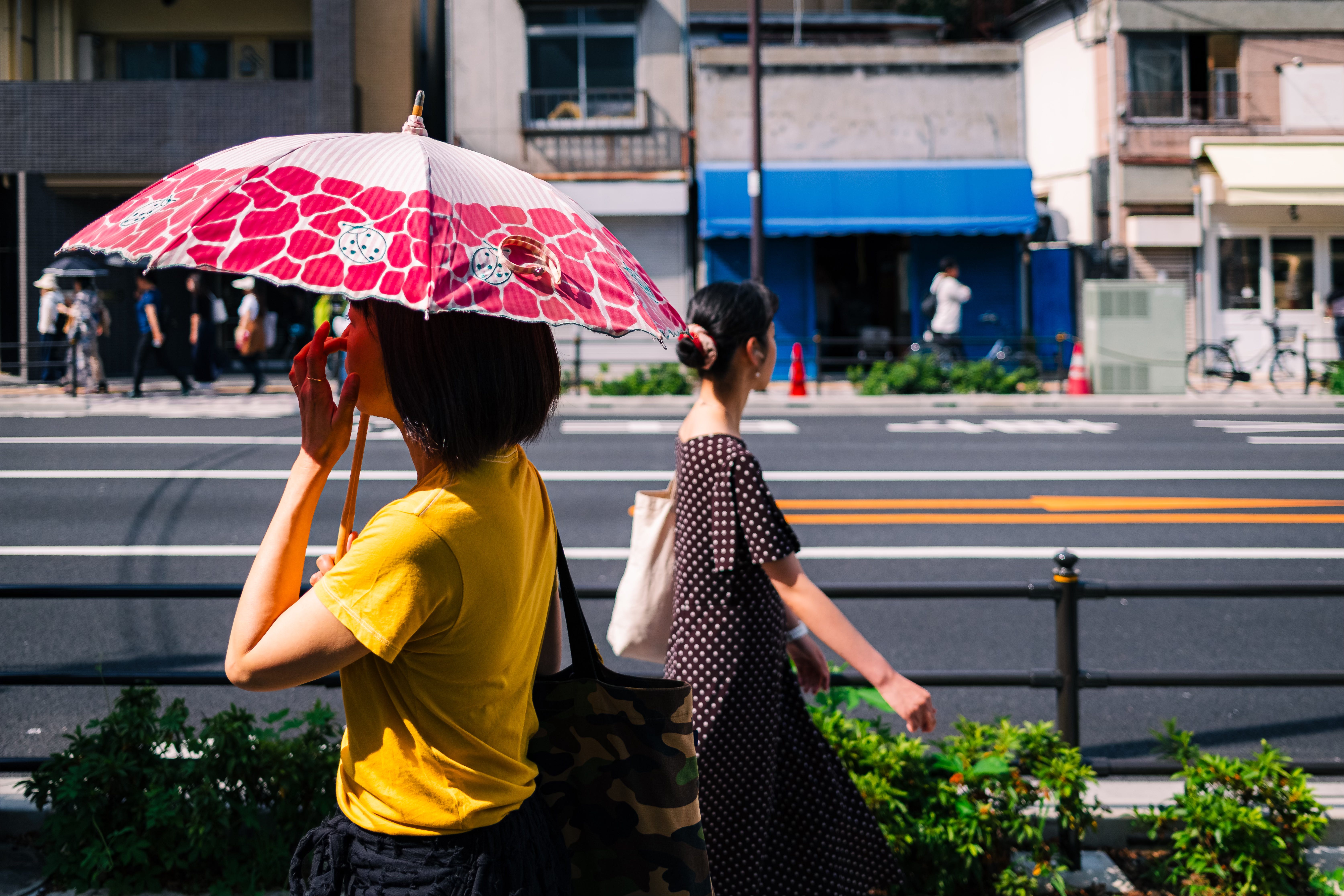
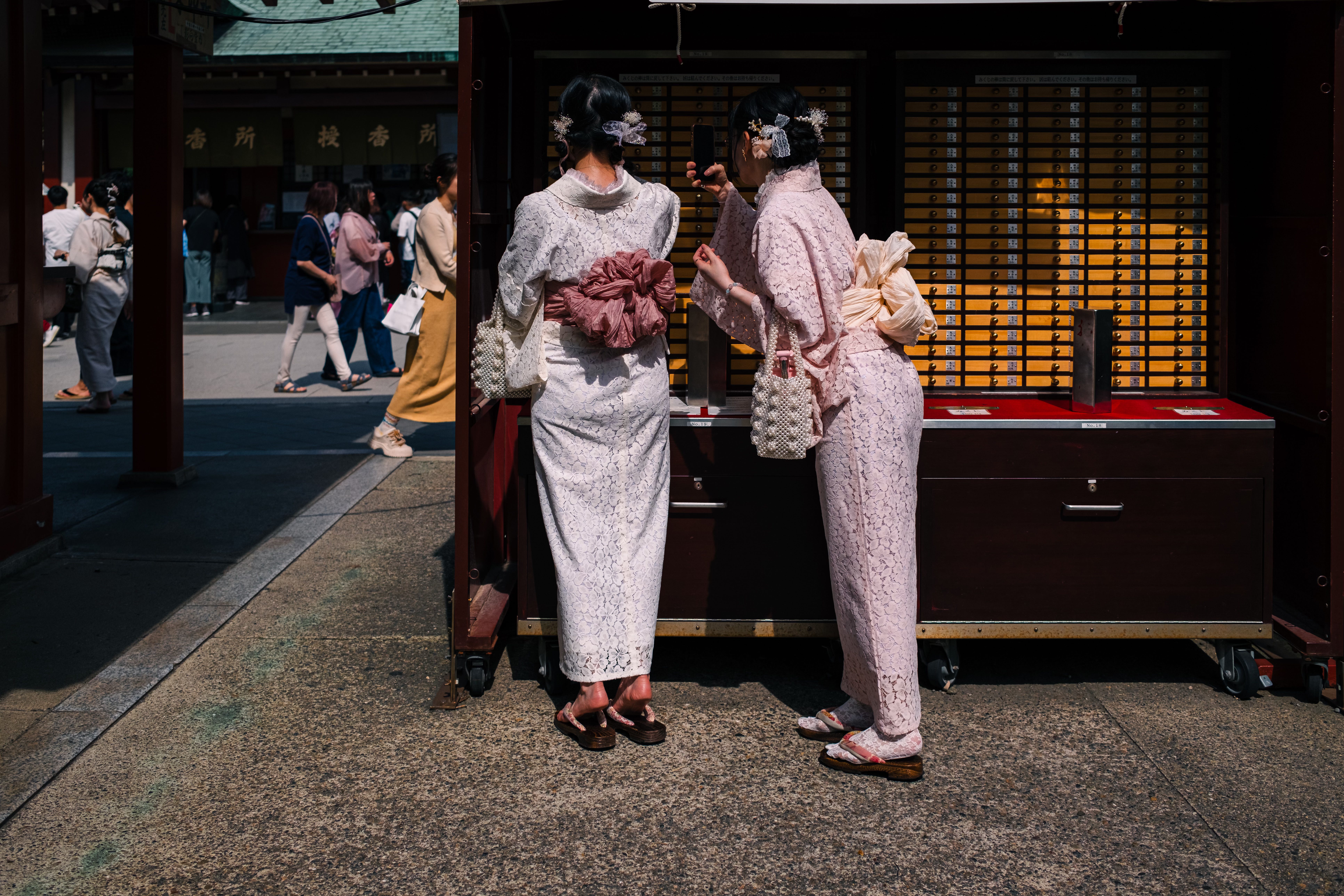
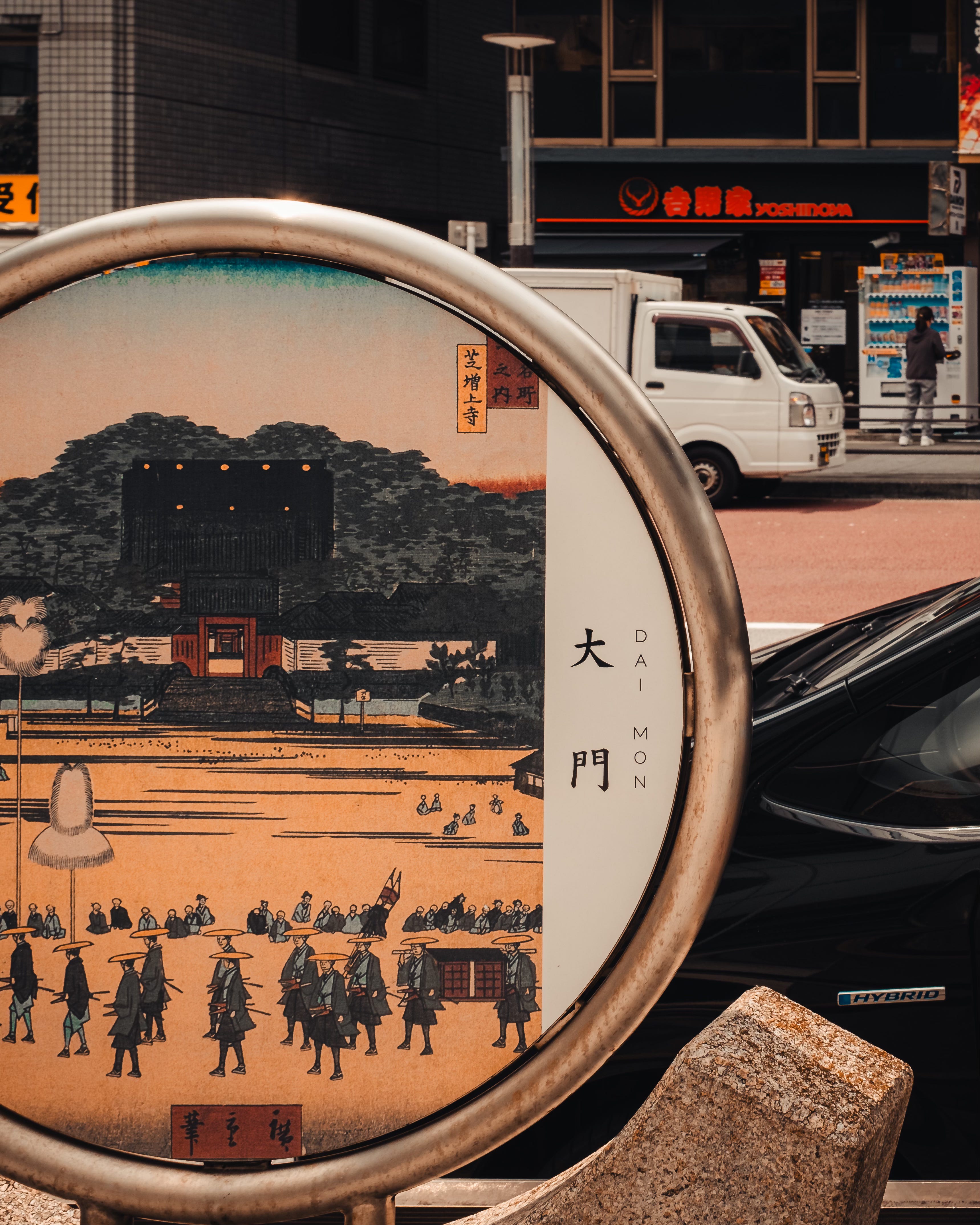
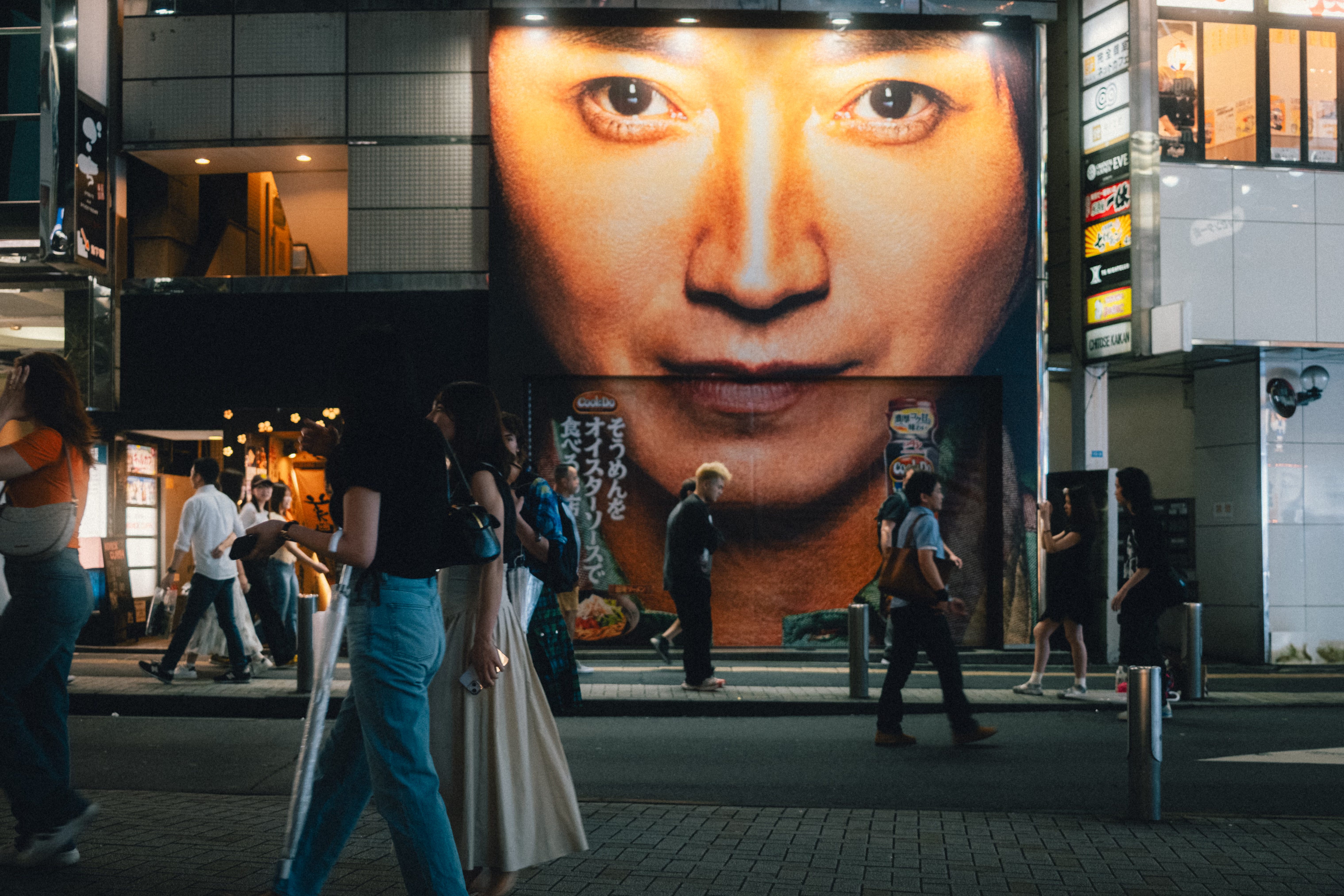
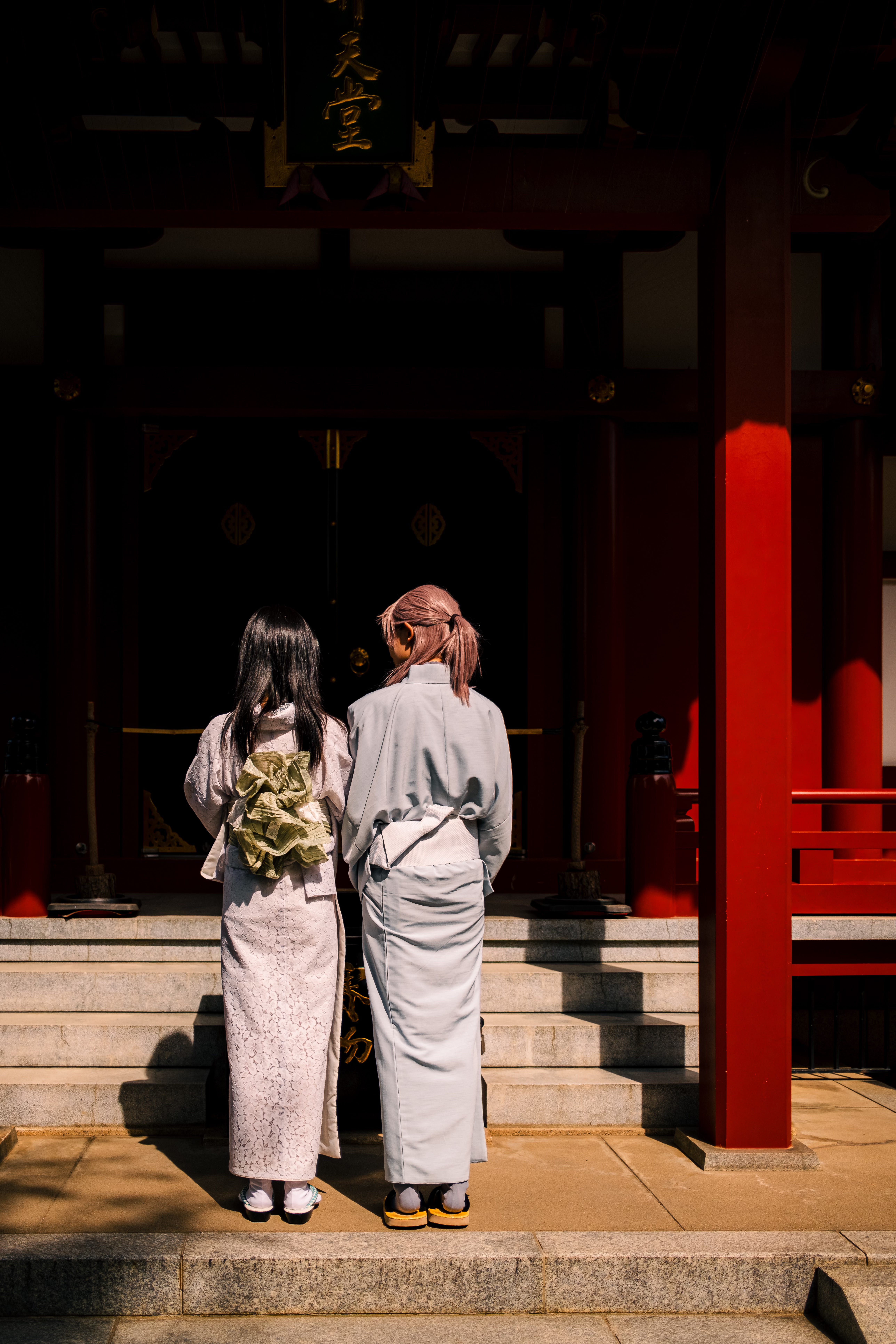
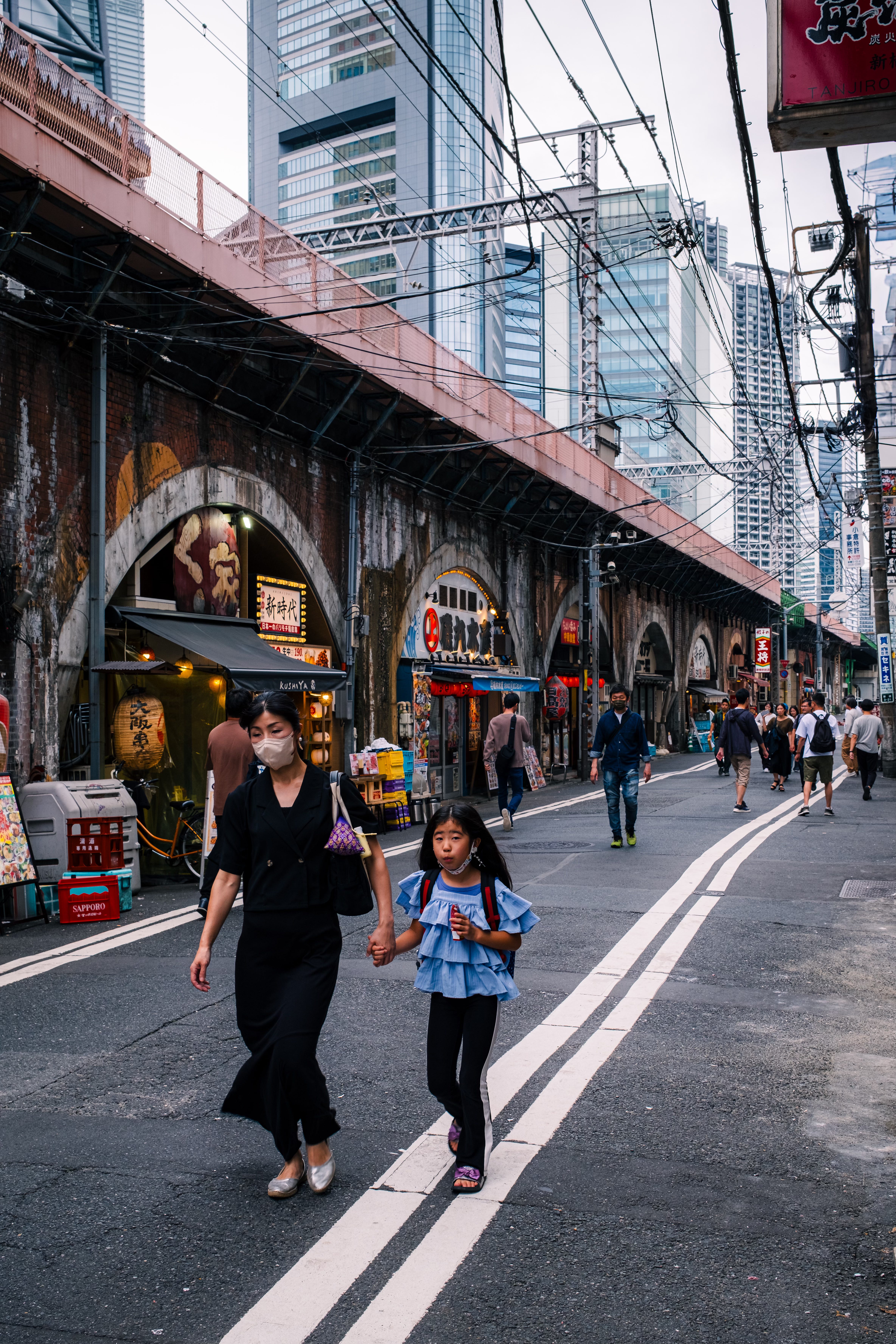
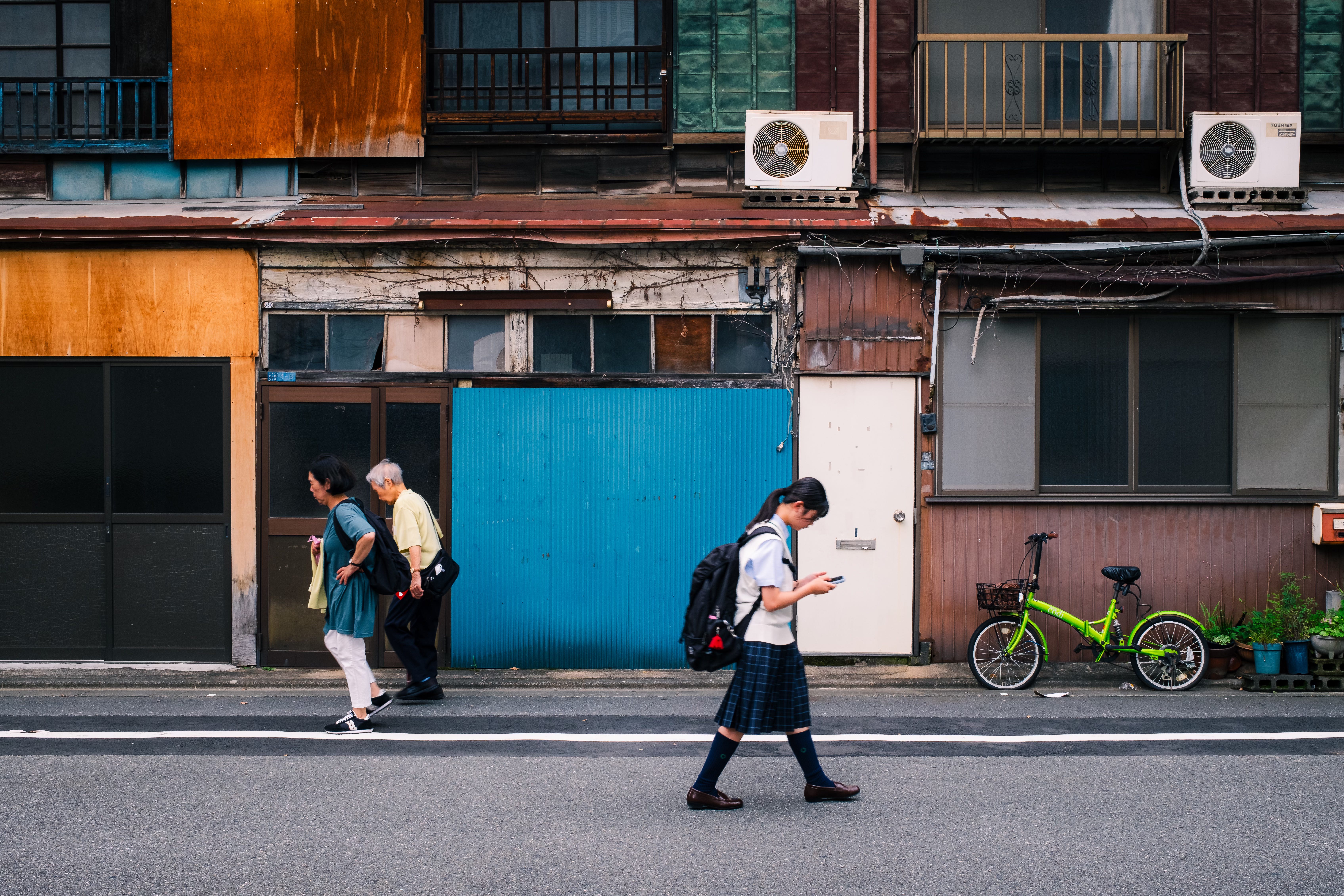
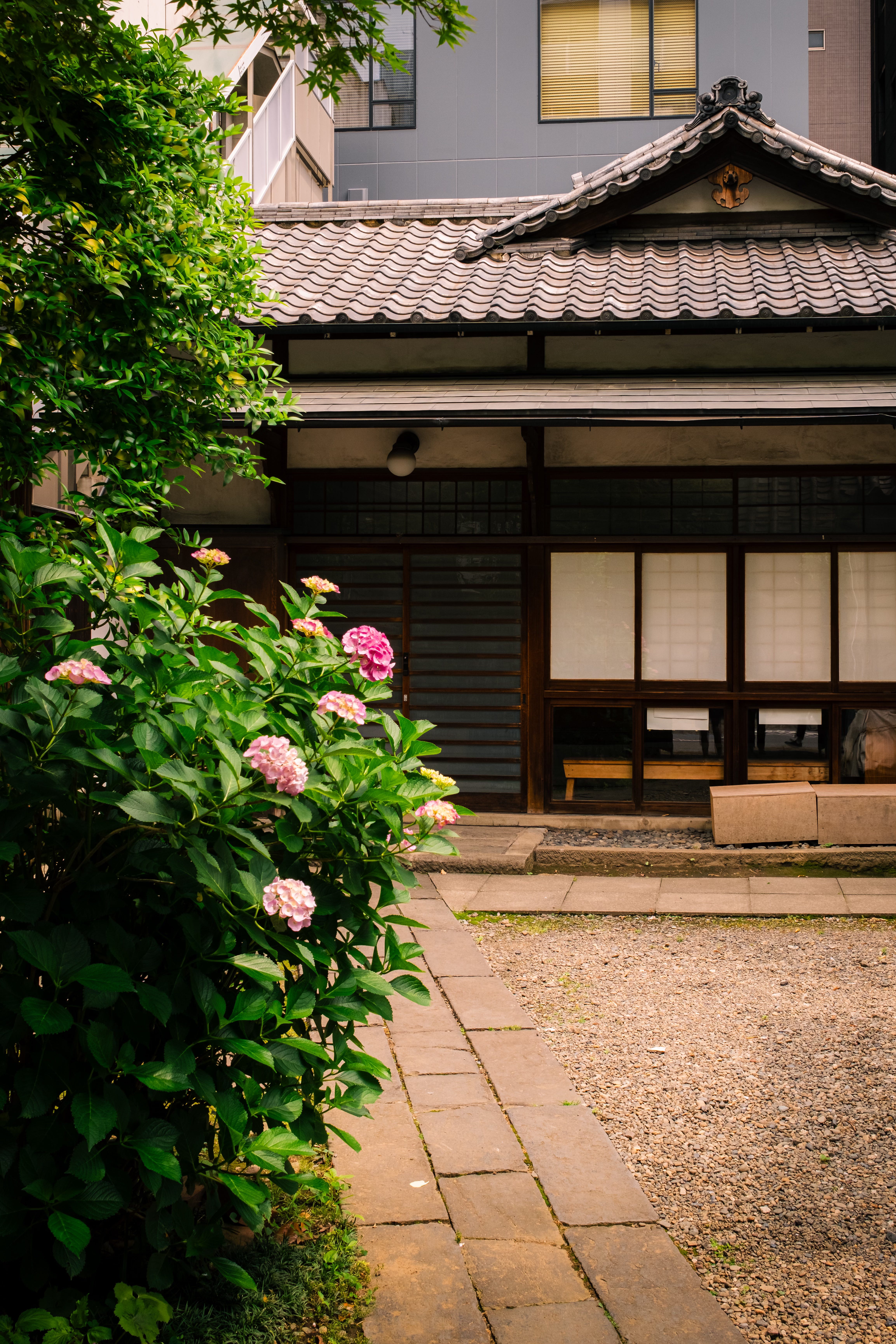
Be this as it may, this is not a commentary on a way forward for the people of Nippon and nor am I able to uproot over two millennia of tradition and way of life. Nor why should I? It’s certainly not my place to reverse engineer a beautiful and storied history to meet the demands of current worldly affairs, that’s for sure. This is a simple rumination on dichotomies, dichotomies of which there are no shortage of in our Japanese story. Tokyo is a perfect example, wherein the past is ever mixed in with the present: cutting edge shinkansen bullet trains and AI meet ticket stamps and fax machines, smartphone meets payphone, natural meets urban, ancient and sacred meets tacky and kitsch, decrepit and dilapidated dwellings forgotten by the passage of time meet pristine and polished business towers draped in polarized glass. Loud, buzzing Shinbashi alleyways alive with swarms of people or the quaint and peaceful parkways of Setagaya, where one can hear a pin drop. Neon lit and J-pop blaring Shinjuku (colourful cosplaying Toyoko kids included, of course) or East Tokyo’s dimly lit neighbourhoods and elderly shop keepers as documented in Lee Chapman’s brilliant photo project, Tokyo Times. Fancy a chic new-age electronic dance music club, AI-orchestrated Gundam laser show or traditional jazz kissa bar, tailored towards recreating the ambience of recorded analog jazz music in the peak of the 1920s and ‘30s? Natto and grilled saba lunch served by a humanoid machine while a proud nonagenarian diligently sweeps the sidewalk out front with his branch stick or bamboo broom? A push for postmodern ideals and combating the declining birthrate, meanwhile exemplifying what is still predominately a patriarchal society where the woman has little say in the professional setting and household alike—but hey, she sure dresses the part, looks pretty and laughs at all of the man’s horrible jokes.
How about the proliferation of western music and American influence on fast food culture, in no doubt thanks to General Douglas MacArthur’s occupation post-WW2? Yes, MOS Burger will put any American burger chain to shame, admittedly, with regard to quality, cleanliness, presentation and the staff’s “happy to help” factor. The Mountain, Ocean and Sun for which MOS stands for alone is so utterly Japanese, inherently natural and organic without any of the associated hipster buzzword marketing schemes of the West. KFC’s Colonel Sanders clad in Santa Claus costume and buckets of greasy fried chicken for Kentucky Kurisumasu dinner? Even with regard to sport, one would be hard pressed to name another nation—outside of the US—that’s embraced baseball with Japan’s unique fervour.
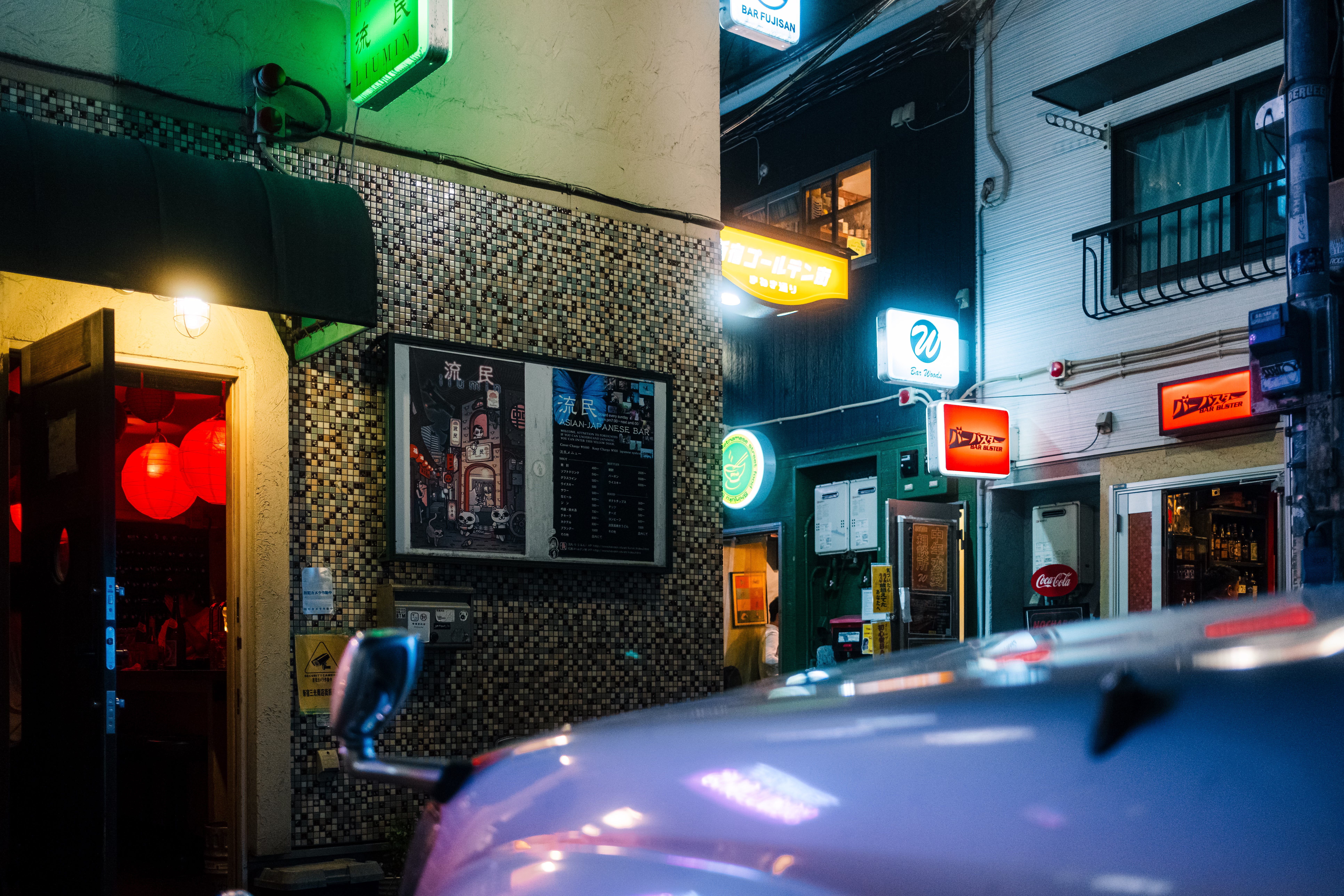
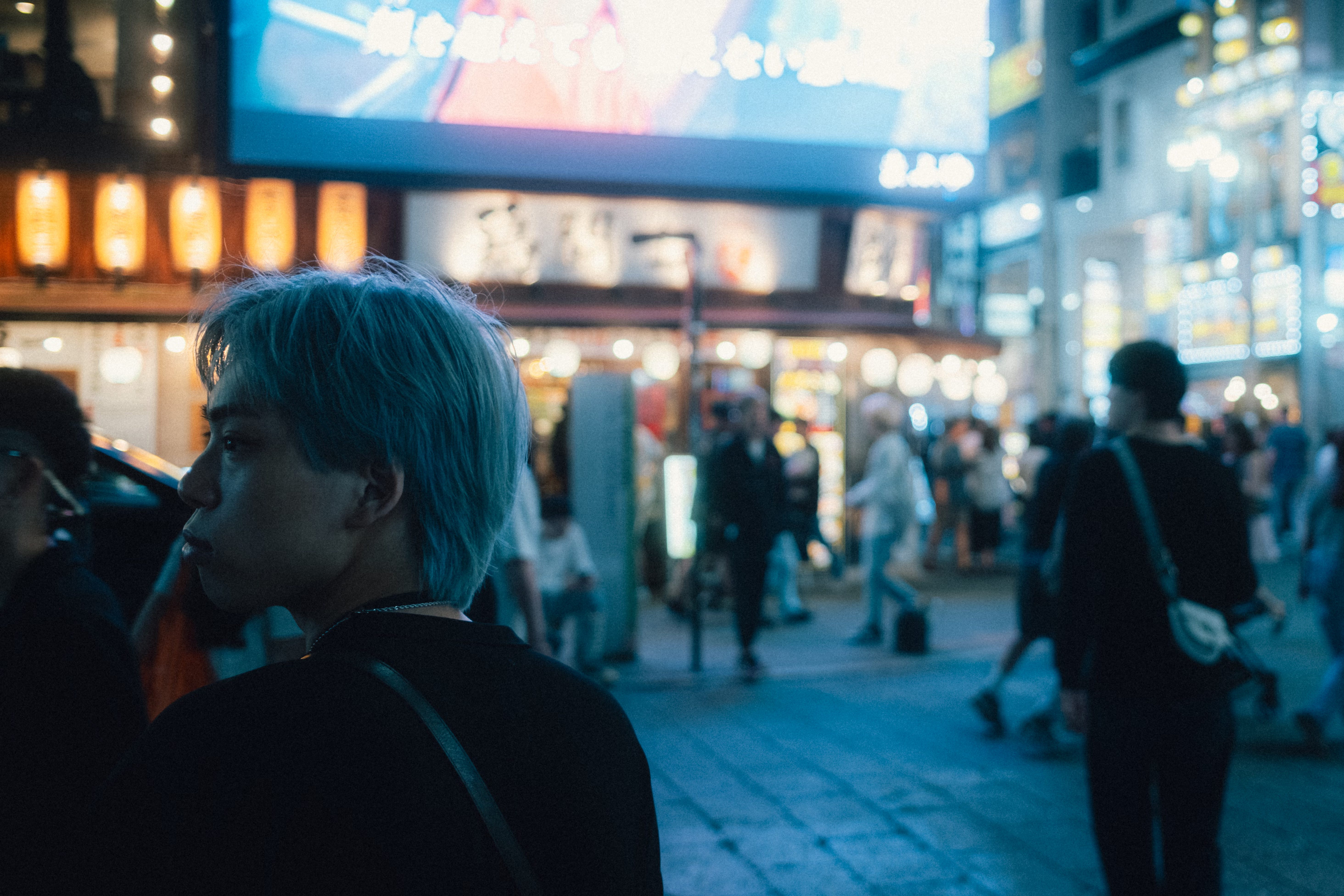
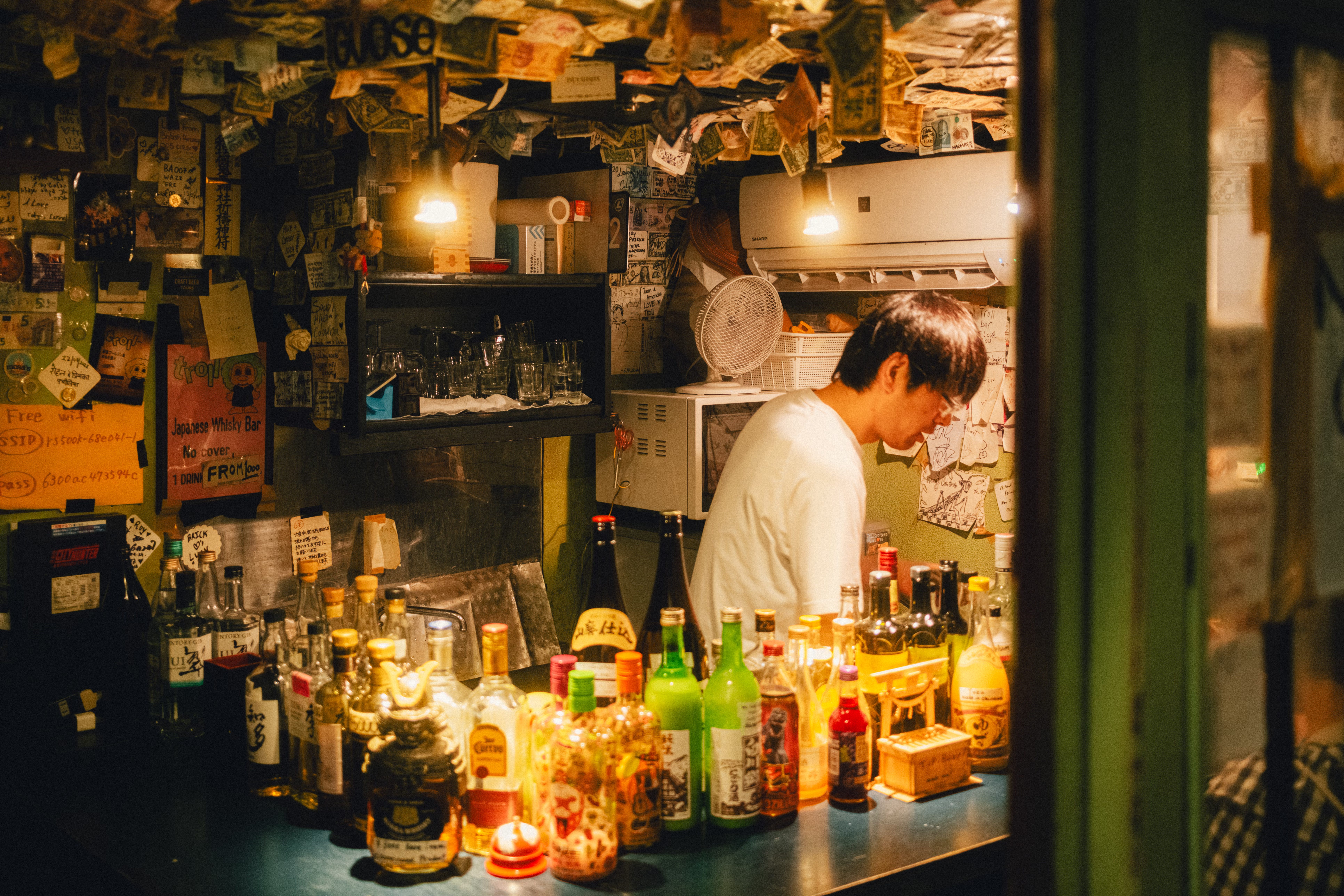
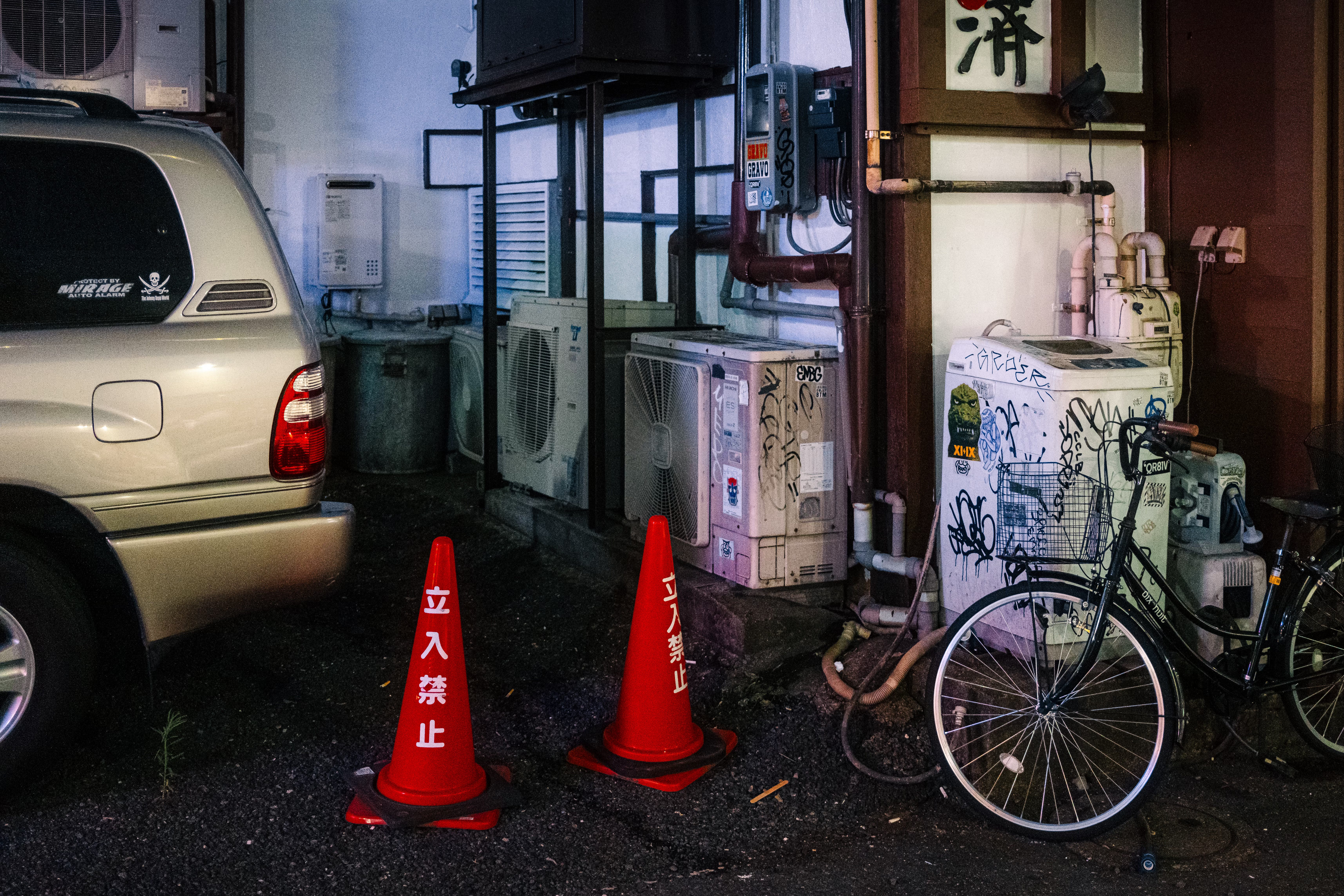
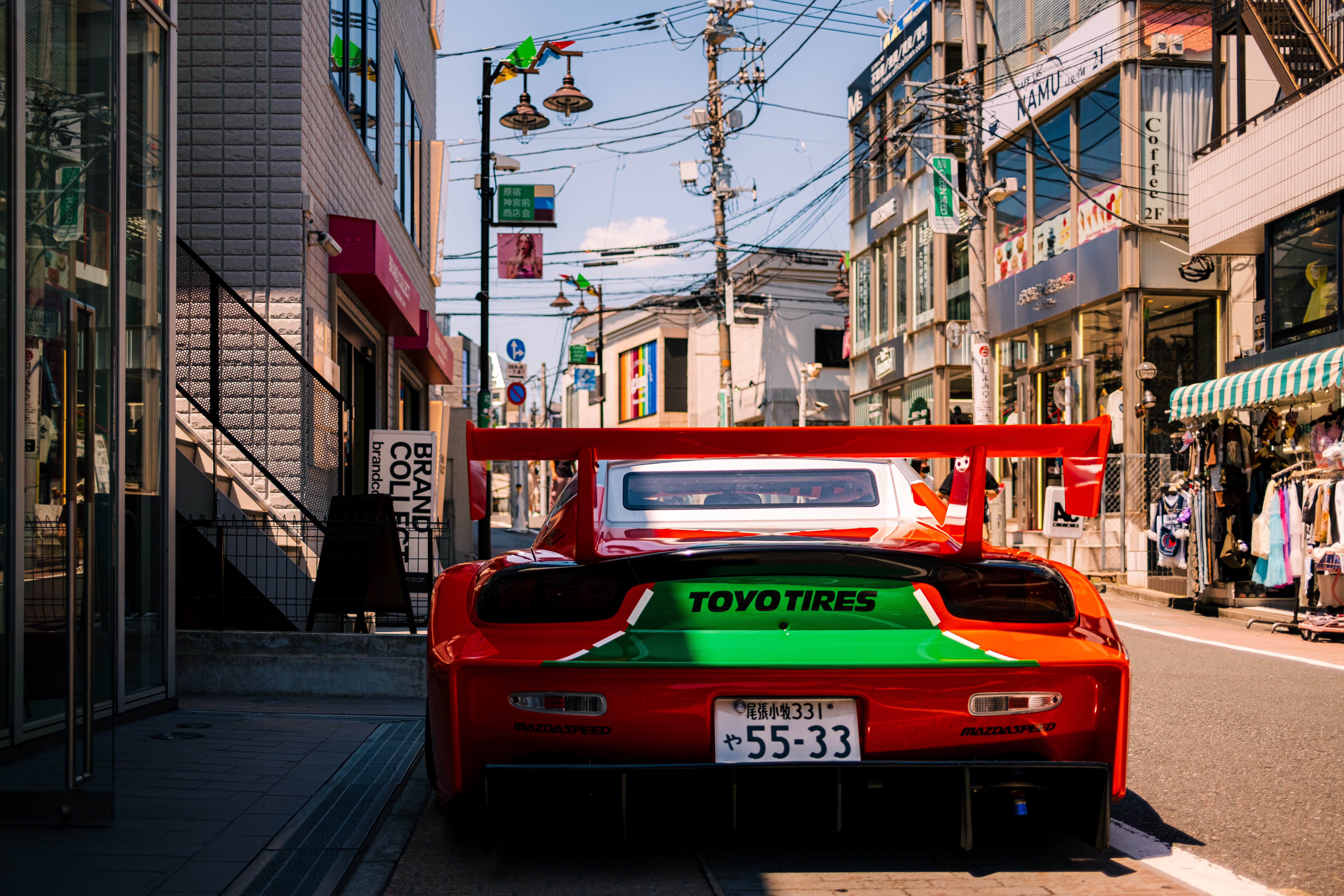
I could go on but I reckon the point is clear. Coming back to Bourdain’s “…densely packed, impenetrable layer cake of the strange, wonderful and awful that thrills.”, we’re left with two contradicting key points: impenetrable and layer cake; wonderful and awful—all the same. Tokyo Duality.
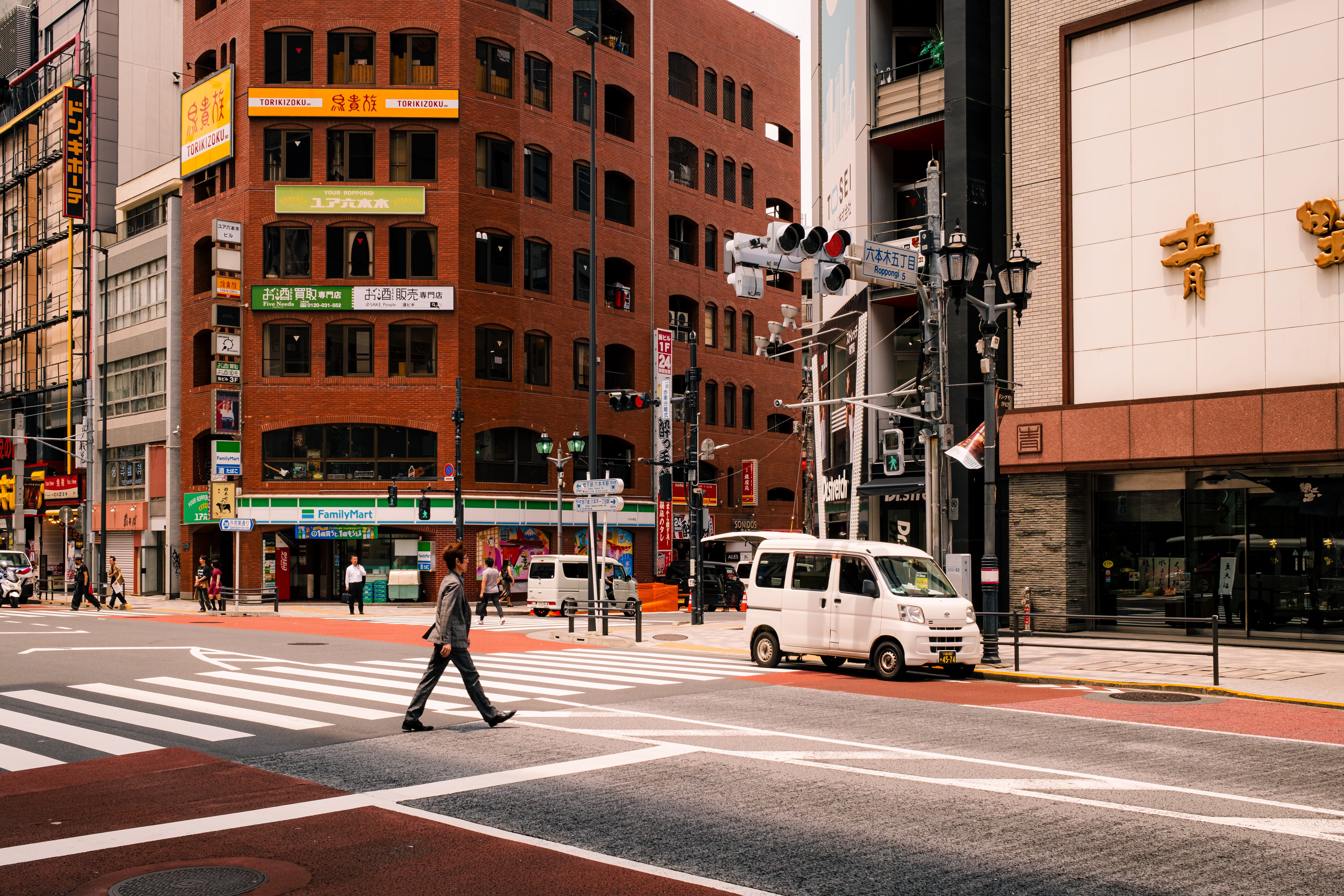
Some fantastic images there - I love the one at night with lots of different colours. Japan is a special place. I went a decade ago and spent a lot of time in my own there and had some really deep moments. I wasn’t into photography then so I’m really looking forward to going back with a camera